

























































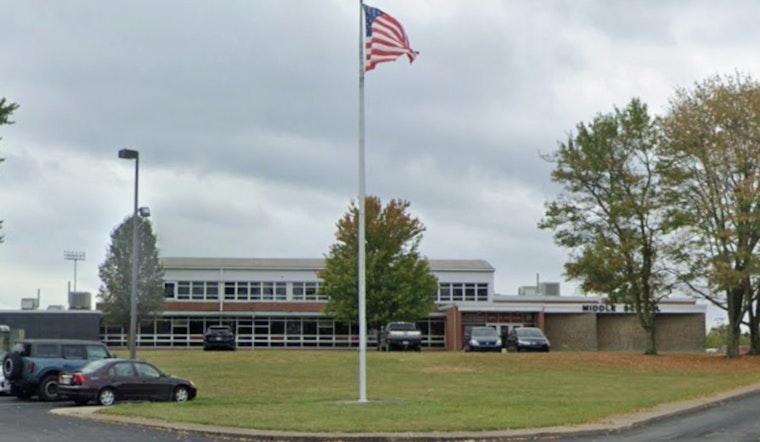
New Richmond voters are heading into the May 5 primary with a stark choice that hits close to home: back a five-year, 8-mill property tax levy the school district says it needs to steady the budget, or reject it and brace for even deeper cuts to classrooms and services. The decision comes as district leaders operate under a state-mandated fiscal reduction plan after multiple rounds of belt-tightening that have already trimmed staff and programs.
The New Richmond Board of Education voted in January to place the eight-mill operating levy on the May 5 ballot. If approved, it would run for five years and first appear on the 2026 tax list for collection in 2027, according to a board resolution posted on BoardDocs.
Shortfall built over years
District officials say this crunch has been a long time coming. Revenue from two nearby power plants, Beckjord and Zimmer, has largely dried up, shrinking the local tax base and reducing the state funds that flowed in with it. Treasurer Brett Floyd and other leaders have described the combined loss as enormous, estimating roughly $8 million per year in missing revenue, according to WCPO.
Cuts already planned
The state-required fiscal reduction plan already on the books lays out cuts for 2026-27 even if the levy passes. Those include eliminating five teaching positions, losing a full-time mental-health counselor position, and increasing pay-to-play fees for student athletics. The specifics are outlined in the district plan and press materials from the New Richmond Exempted Village School District.
If the levy fails
If voters say no, officials warn the next round of changes would go well beyond higher fees and a few positions. Possibilities on the table include closing an elementary school, ending high-school busing, and cutting back student support services that families rely on. The district estimates the 8-mill levy would cost homeowners about $280 per year for every $100,000 of appraised value, according to reporting by WCPO.
Residents divided
Neighbors are far from united on whether the price tag is worth it. Resident Ralph Jacob told Local12 he "would probably vote for the levy" after reviewing the board's work, but other residents say an eight-mill increase would be a tough hit to already strained household budgets.
A second chance at local funding
The property levy comes on the heels of a 1.25% earned-income tax proposal that voters rejected last November. About 67% voted against that measure, according to Local12, and district leaders now describe this levy as their primary path to stabilizing day-to-day operations. In the run-up to the vote, the district has held community forums and published a public Q&A where residents can send in questions about the proposal.
What's next
On May 5, voters will decide whether New Richmond schools get a new stream of local funding or move ahead with the building closures and staffing reductions outlined in the fiscal plan. For residents who want to dig into the full financial presentation and detailed reduction scenarios, more information is available from the New Richmond Exempted Village School District.





