

























































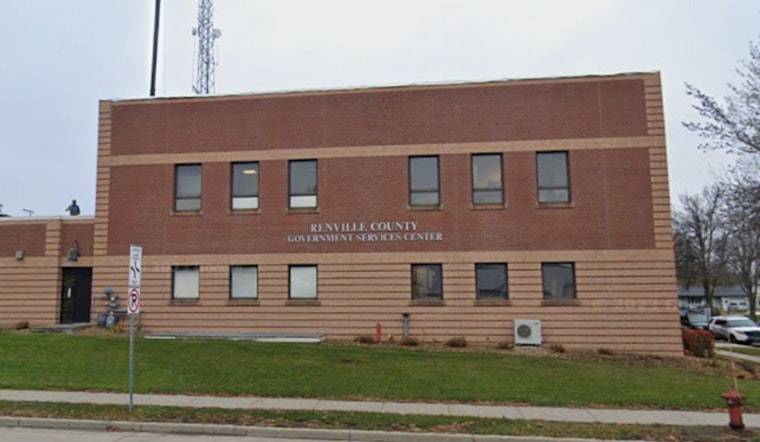
Renville County officials say a sweeping set of new rules from the Minnesota Department of Corrections could blow a serious hole in the budget for their small 72-bed jail and wipe out a chunk of boarding revenue they rely on. County leaders told commissioners the changes might mean service cuts or higher local taxes in a county that depends on boarding inmates from elsewhere to keep the jail in the black. The proposed overhaul zeroes in on health and safety, with tougher mental health, staffing and reporting requirements meant to cut down on deaths and suicide attempts in Minnesota jails.
At an April 14 meeting, the Renville County Board voted to send a letter spelling out its concerns, and jail administrator Ned Wohlman pegged the potential hit at about $578,340.23 a year, as reported by the West Central Tribune. Wohlman also told commissioners that giving up a cell now used to hold federal inmates would cost roughly $40,000 in lost boarding revenue and that the projected cost increases could equal about 20% of the jail’s entire expense budget.
The Minnesota Department of Corrections argues the rewrite is needed because of troubling trends in jail health and safety. The department’s rulemaking record cites a rise in in-custody deaths, including 20 deaths in 2023 and 11 in 2024, and documents suicide-attempt totals of 147 in 2022, 94 in 2023 and 122 in 2024, according to the Minnesota Department of Corrections. That same record frames many of the new mental health and monitoring requirements as a direct attempt to push those numbers down.
State budget officials, meanwhile, are warning counties to get ready for a bill. In a fiscal review, Minnesota Management and Budget flagged likely expenses for extra staff, training and small equipment, expanded contracts for medical and mental health care, and transportation costs, all of which would land on local governments. The memo notes that Minnesota’s 85 local jails are funded primarily through county property taxes, so any new mandates could be pushed straight onto local levies.
Renville's Budget And Capacity At Stake
Local officials say that kind of price tag is a lot for a rural jail that was built to board inmates from other jurisdictions in the first place. The Renville County Jail in Olivia is a 72-bed facility that has long leaned on boarding revenue to help balance its books, and county staff told commissioners the proposed DOC rules would significantly undercut that model, according to the West Central Tribune. The county’s website confirms the jail opened in 2008 as a 72-bed center, and officials at the meeting said the jail is authorized for a staff of 16 correctional officers and held 777 inmates in 2025.
Renville County provides general information online about the jail and its programs, including the same address administrators referenced when they briefed the board.
Statewide Context
Renville’s alarm is part of a broader standoff between county sheriffs and the DOC over inspections and enforcement. Elected sheriffs across Minnesota took the unusual step of voting no confidence in Commissioner Paul Schnell late last year, arguing that DOC actions have sometimes forced expensive inmate transfers and piled on operational strain, according to CBS Minnesota.
What Happens Next
The Department of Corrections is now in a formal rulemaking process and will take public input before anything becomes final. The agency has scheduled a public hearing in St. Paul on May 28 and has posted the draft rule, the Statement of Need and Reasonableness and supporting exhibits in its rulemaking docket. The Minnesota Department of Corrections explains in its rulemaking notice where to find those materials and how to submit comments.
Legal And Budget Stakes
If adopted, the rule package would give the DOC new minimum standards it can enforce on local jails, although facilities would still be able to apply for variances if a particular requirement is too costly or impractical for a small operation. The department and Minnesota Management and Budget note that stronger standards could reduce litigation risk over time by improving care. Counties, however, warn that in the near term the financial hit would be substantial and could force staffing reductions or cuts to programs, according to the Minnesota Department of Corrections.




