

























































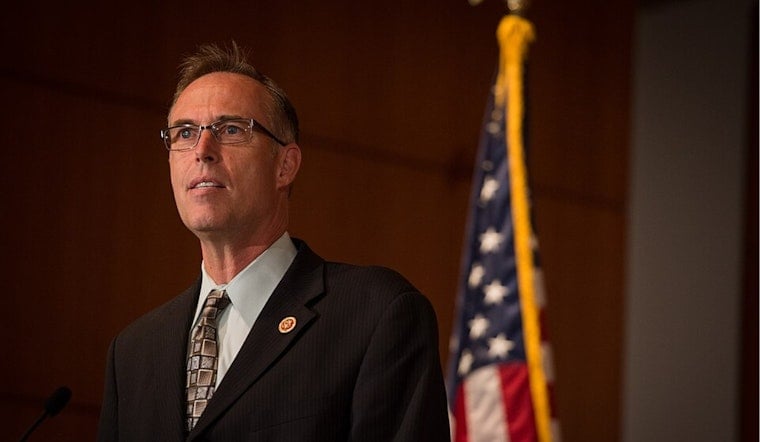
Rep. Jared Huffman has launched a formal inquiry into the Trump administration’s quiet outreach to block the removal of two dams on the Eel River, warning the move could blow up a hard-fought local deal to restore salmon runs and safeguard North Coast water supplies. The ranking Democrat on the House Natural Resources Committee says the maneuver looks like a bigger water play and is demanding to know who is pulling the strings. At the center of the fight is the Potter Valley Project, a century-old PG&E system that diverts Eel River water into the Russian River.
Huffman’s office says he has sent a detailed list of questions and a formal records request to Agriculture Secretary Brooke Rollins, Interior Secretary Doug Burgum and the Elsinore Valley Municipal Water District. In a newsletter to constituents, Huffman cast the federal outreach as a direct response to public statements by the USDA and said he is prepared to press his committee for answers if officials do not cooperate. As laid out by Rep. Jared Huffman, the congressman is probing whether federal agencies coordinated with the Southern California water district about acquiring the Potter Valley Project.
What the Potter Valley Project does
The Potter Valley Project includes Scott Dam and Cape Horn Dam, a diversion tunnel and a small powerhouse that historically shunted Eel River flows into the Russian River to serve farms and communities in Mendocino, Sonoma and Marin counties. PG&E filed last year to surrender the project’s federal license and move forward with a decommissioning plan that would remove the in-river facilities while a new regional authority designs a replacement diversion, according to Hydropower Reform Coalition and Sonoma Water. Sonoma Water also helps operate the new Eel-Russian Project Authority, which is intended to keep some southbound deliveries flowing after the dams come out.
Rollins and the 'buyer'
In recent days, Agriculture Secretary Brooke Rollins has gone public with criticism of PG&E’s removal plan and has hinted that she has been talking with a potential buyer, the Elsinore Valley Municipal Water District. The Riverside County agency, for its part, has stressed that it is only kicking the tires. Rollins’ outreach and her social media posts naming the district as an interested party have ricocheted through water-world circles and local papers. The Lost Coast Outpost and the Water Education Foundation report that the district serves roughly 160,000 customers and has confirmed only early, exploratory talks so far.
Regulatory hurdles and timeline
Even if a Southern California agency or any other buyer came forward, keeping the dams in place or resuming full operations would require a gauntlet of federal approvals and years of regulatory review. The California State Water Resources Control Board and FERC share oversight of licensing and water quality for any transfer, and PG&E’s surrender and decommissioning filings have already triggered a formal federal process. As outlined by the California State Water Board, that docket includes environmental review and multiple chances for public comment, steps that will be central to deciding whether the dams can legally continue operating under new ownership.
Why Huffman is digging in
Huffman says he is worried that the administration’s late-game intervention could unravel a locally crafted, two-basin solution that tries to balance salmon recovery with reliable water deliveries. He also wants to know whether the federal outreach is being driven by political calculations, commercial interests or something else entirely. “My concern is that this is part of a bigger water play,” Huffman told reporters as he rolled out the inquiry and set a May 12 deadline for agencies to turn over records, according to the San Francisco Chronicle.
Legal implications
The USDA’s filing, along with any attempt to transfer project assets, raises complex legal questions about water rights, federal authority and how far FERC’s licensing power really goes. Local water managers, tribes and environmental groups are watching Huffman’s records request closely because the answers could determine whether the region’s negotiated path forward, and billions of dollars in anticipated restoration funding, survive a renewed federal push to keep the aging infrastructure online. As reported by the Rural County Representatives of California, the USDA argues it is standing up for farming and rural communities, while critics warn the move could stall long-awaited salmon recovery.
What happens next will hinge on how federal officials respond to Huffman’s questions and the pace of the broader federal review. The congressman has requested records by May 12, and FERC’s surrender docket is proceeding on its own schedule. In the meantime, local water agencies, tribes and conservation groups say they will keep pressing for a solution that restores the Eel River and protects regional water supplies while state and federal regulators sort through the legal and technical knots.





