

























































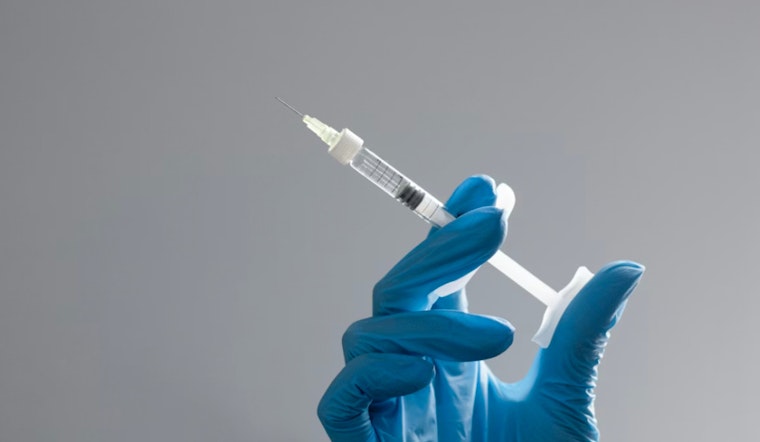
Cadaver fat is the latest thing being pitched as a shortcut to perkier curves in some cosmetic clinics, but at least one high-volume New York plastic surgeon wants no part of it when the target is the chest. Off-the-shelf donor fat is being sold to patients who want extra volume without liposuction, using processed adipose tissue from human donors under brand names such as alloClae. The material is injected to add fullness in areas like the buttocks, hips and breasts, and the growing gap between clinics eager to offer it and clinicians wary of long-term imaging fallout has pushed this new cosmetic option into a wider national debate.
Dr. Tommaso Addona, a New York-area plastic surgeon who told the New York Post he has performed more than 10,000 breast cases, said he will not inject donor-derived fat into breasts. His concern is that it can create oil cysts or calcifications that resemble suspicious masses on mammograms, which can in turn trigger extra biopsies and follow-up testing. As reported by the New York Post, Addona says those imaging uncertainties are his primary reason for refusing cadaver-fat breast work, even as the product moves into wider use for other body areas.
What Is alloClae?
The donor-fat product drawing so much attention is marketed as alloClae, a terminally sterilized, donor-derived adipose allograft that Tiger Aesthetics says is designed for subcutaneous use anywhere fat naturally exists. According to Tiger Aesthetics, its processing preserves the extracellular-matrix structure of the tissue while reducing DNA and free-oil content. A 2025 characterization study in Bioengineering reported lab findings and six-month mouse data showing graft retention and host-cell infiltration, which supporters point to as early evidence that the material can physically stick around and integrate.
Early Evidence And Clinical Unknowns
Those laboratory and animal results are a far cry from long-term human safety data, and so far available clinical series are small. Reviews of fat-transfer procedures note that fat grafting often produces palpable lumps and can lead to extra imaging or biopsies that fall outside standard screening routines. Most of those findings are ultimately labeled benign, such as fat necrosis or oil cysts, but they still bring added anxiety and additional procedures for patients, as summarized in Plastic and Reconstructive Surgery Global Open. For breast specialists, that risk of confusing imaging is exactly the kind of problem they would rather not invite.
Regulatory And Safety Notes
Tiger Aesthetics and related company materials state that alloClae is sold as a minimally manipulated human-cell-and-tissue product regulated under Section 361 of the Public Health Service Act. Under that framework, the FDA’s tissue rules center on donor screening, current good tissue practices and adverse-event reporting rather than premarket approval. In other words, manufacturing standards and postmarket safety monitoring serve as the main regulatory guardrails for these human cells, tissues and cellular and tissue-based products, according to the FDA.
What Patients Should Ask
Radiologists and surgeons alike say that anyone considering breast augmentation, whether with implants, their own fat or donor tissue, should ask how the product will be documented in the medical record and how it could affect future mammograms. The Society of Breast Imaging recommends tailored follow-up, including ultrasound or MRI, whenever breast images raise questions that standard mammograms cannot easily answer. Many surgeons say a shared decision-making approach is the safest route until larger human studies spell out the long-term outcomes of donor-fat products. For now, some New York surgeons are steering clear of putting cadaver fat into breasts at all, arguing that keeping future screening as simple and clear as possible is worth more than any quick volume boost.


