

























































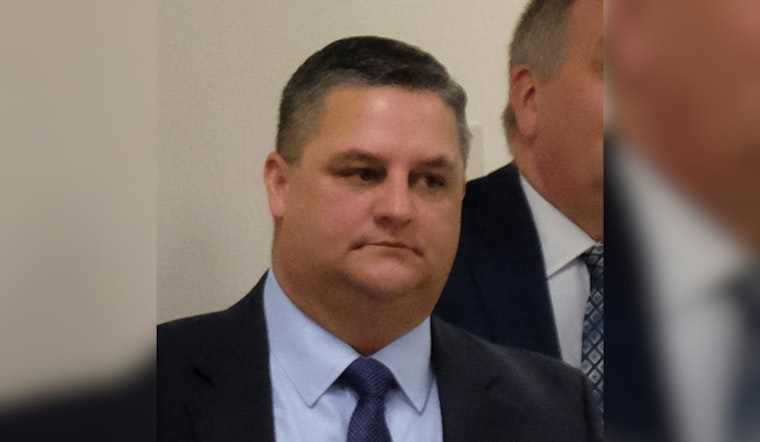
COLUMBUS — Ohio state Sen. Shane Wilkin is taking a swing at some of the country’s bedrock environmental laws, pushing a new resolution that urges Congress to overhaul how major projects are reviewed and permitted across the state.
His proposal, Senate Concurrent Resolution 20, calls out the National Environmental Policy Act, the Clean Water Act and the Endangered Species Act, and presses for faster federal approvals for mines, pipelines and transmission lines. The measure is nonbinding, but it plants a clear flag: a state lawmaker wants Washington to ease legal hurdles for energy and mineral development.
What Wilkin Wants
SCR20 urges Congress to rewrite NEPA, the Clean Water Act, the Endangered Species Act and “dozens of other federal requirements” that it characterizes as unnecessarily burdensome. The resolution takes aim at lawsuits and administrative challenges, labeling them “overlitigation” and accusing some groups of holding worthy projects “hostage.” Critics say that language is aimed squarely at the legal tools communities and scientists use to push back on controversial developments, according to the Scioto Valley Guardian.
Language In The Bill Text
The text of SCR20 argues that “excessively complex federal permitting and environmental review processes ... have grown to be so cumbersome that they often unnecessarily slow or prevent the construction of essential new energy infrastructure.” It points to timelines as Exhibit A, noting that a typical NEPA environmental impact statement now takes about four and one-half years to complete. The resolution also says permitting a new mine in the United States can drag on for nearly ten years, compared with roughly two to three years in Canada and Australia. The full language is posted by the Ohio Legislature.
Who Stands To Gain
On paper, SCR20 says any reforms should apply “without prejudice” to all energy sources. In practice, it name-checks specific types of projects: transmission lines, pipelines and critical-mineral mines. That list points to where the biggest regulatory relief would likely fall. Natural gas infrastructure, nuclear projects and critical-mineral extraction are highlighted as developments that could face fewer legal obstacles if Congress followed the resolution’s roadmap, according to the Scioto Valley Guardian.
Where It Is In The Process
SCR20 was formally introduced in the Ohio Senate on April 9 and sent to the Senate Energy Committee on April 15, where it is currently parked. That status, including the filing and immediate committee referral, is listed on the Ohio House bill page, which shows no further votes or amendments as of this filing.
Why Advocates Are Worried
Environmental and community advocates say that “streamlining” federal permits often translates into less public scrutiny and fewer ways for residents and scientists to raise alarms about pollution, habitat loss or groundwater risks. In recent permitting fights around the state, dozens of residents and advocacy groups have weighed in, including public pushback on Ohio EPA draft permits tied to large data centers and industrial projects. Coverage by WOSU highlighted how those comment periods have become a key venue for community concerns, which is why critics see sweeping federal rollbacks as a serious threat to Ohio’s waterways and neighborhoods.
Bottom Line
SCR20 does not change federal law on its own. It instructs Ohio officials to urge Congress to act and directs the clerk to send copies of the resolution to congressional leaders. Even so, it serves as a clear political nudge for faster project permitting at the national level. Whether Congress actually rewrites statutes like NEPA or the Clean Water Act remains part of a broader national fight over environmental regulation, and the resolution’s call to action and transmission instructions are spelled out in the official text published by the Ohio Legislature.



