

























































Ohio is locking in a permanent ban on synthetic versions of kratom, after a state panel signed off on a Board of Pharmacy rule that zeroes in on chemically altered extracts. The decision targets concentrated derivatives while leaving the plant’s natural leaf on the sidelines for more study.
Lawmakers finalize permanent ban
On April 13, the Joint Committee on Agency Rule Review voted to adopt the Board of Pharmacy’s proposal, with the permanent restriction set to kick in on May 14. According to WVXU, the move replaces a December emergency order and won approval after lawmakers argued that synthetic products pose the most immediate public-health threat.
What the rule covers
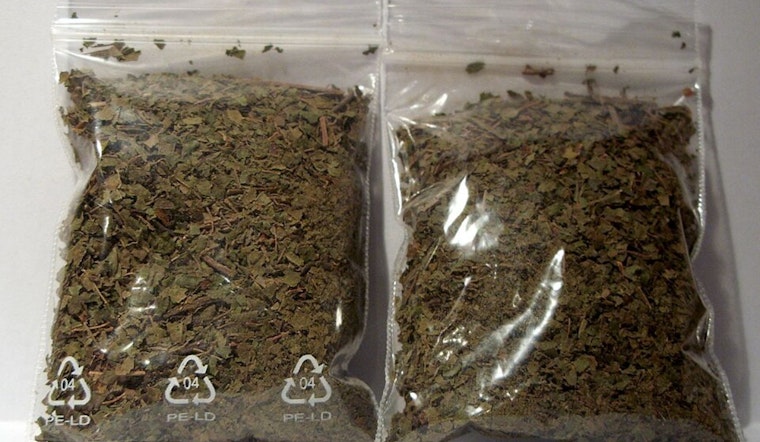
The emergency rule and its now-permanent language classify “mitragynine-related compounds” as Schedule I controlled substances. That list includes 7-hydroxymitragynine, mitragynine pseudoindoxyl and other derivatives. As recorded in the Ohio Board of Pharmacy meeting minutes, those compounds are specifically named, while mitragynine in its vegetative form, such as natural kratom leaf and ground leaf, is excluded.
A response from the governor’s office, filed during the review process, also tweaked the wording to make that exemption clearer, according to the Ohio Governor's Office.
Families and health officials pushed for action
Family members, physicians and public-health officials urged lawmakers to clamp down on the synthetic products, warning they can be far more potent and dangerous than the plant itself. “His brain was hijacked from kratom,” Susie Bullard told the committee, while a letter cited by advocates said at least 200 Ohioans died in incidents involving kratom between 2019 and 2024, according to WVXU.
Retailers and lawmakers weigh next steps
Shop owners who sell natural kratom say a focused ban on synthetics beats a blanket prohibition, although some reported sharp drops in sales after the December emergency rule took effect. Local coverage of retailer reactions and the full list of newly banned compounds is available from WCPO.
Lawmakers backing the rule, including Rep. Sean Patrick Brennan, argue it targets “the most immediate and serious public health risks” while still allowing time and space to study the natural product, according to a statement from his office published by the Ohio House.
What comes next
The emergency rule adopted in December had been set to expire in June. The Board’s permanent rule will now take effect in mid‑May, closing that regulatory gap once the agency completes its formal filings. In the meantime, lawmakers are still debating proposals that would regulate natural kratom through tools like age limits, product testing or labeling requirements. Specific enforcement provisions and penalties are expected to be fleshed out in forthcoming rule language and any additional legislation.
About kratom
Kratom is an herbal extract made from the leaves of the Mitragyna speciosa tree. Some users take it for an energy boost, mood lift, pain relief or to help ease opioid withdrawal, although it is not approved by the FDA. The Mayo Clinic notes that kratom products can vary widely in potency, may contain contaminants and, with regular use, can lead to dependence and other serious side effects.



_Sumatra_White_Vein_20g.jpg)