

























































Chicago is finally seeing some relief from fatal overdoses, but the good news comes with a catch: the drop in deaths is not reaching everyone. A new report finds that while overall overdose fatalities are falling, Black residents in Chicago and other major cities remain far more likely to die from overdoses than their neighbors.
As reported by Crain's Chicago Business, the analysis highlights a stubborn and deeply rooted gap. Some measures of overdose harm have improved, but the benefits are flowing unevenly, and the piece frames that disparity as a structural problem baked into the system, not a statistical fluke that will fix itself.
Federal data show a recent, double-digit decline in overdose deaths at the national level, yet public-health officials caution that the downturn has not been uniform across racial groups. In a statement, the White House Office of National Drug Control Policy pointed to a sizable year-over-year fall in provisional overdose counts while underscoring that the progress is fragile and incomplete.
What the data show
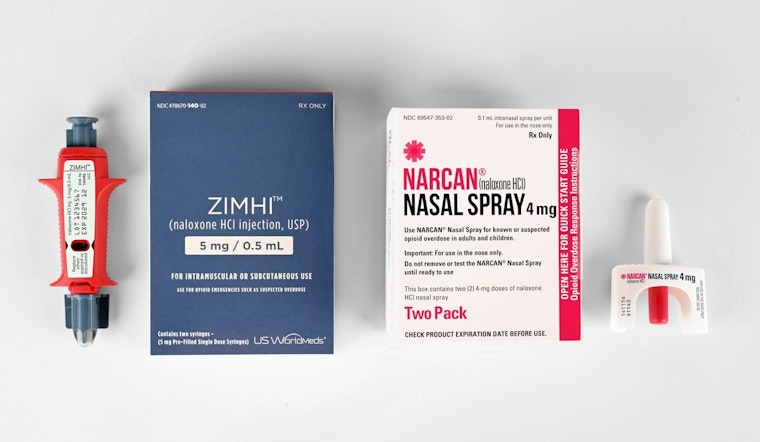
Illinois numbers reflect that mixed picture. The state reported an 8.3% drop in overdose deaths in 2023 compared with 2022, a decline officials linked to broader naloxone distribution and other interventions, according to reporting on the 8.3% overdose decline. In Chicago, emergency-response data show fewer opioid-related calls than at the 2020 peak, and city and county agencies have begun piloting public naloxone access in transit stations as part of a wider harm-reduction push.
Why gaps persist
Experts point to a familiar list of structural barriers that blunt the impact of lifesaving tools in Black communities: unequal access to medications for opioid use disorder, limited treatment capacity, stigma and discrimination in healthcare settings, and criminal-legal policies that push people away from care instead of toward it. Policy analysts argue that these conditions, not a lack of effective interventions, help explain why Black residents have not seen the same gains in overdose survival. See data and analysis from KFF for deeper context on how those patterns play out.
What Chicago leaders are doing
City and county officials have responded by expanding naloxone distribution and testing new ways to reach people where overdoses are most likely to occur. That includes vending machines stocked with overdose-reversal medication and outreach in transit hubs, building on partnerships between transit agencies and public-health departments. Local reporting notes a decline in emergency responses tied to opioid events, even as advocates continue to push for more targeted, culturally competent treatment and long-term funding to match the scale of the crisis. Streetsblog and other neighborhood-focused outlets have tracked the CTA vending-machine pilot and related efforts.
For public-health leaders and community advocates, the takeaway is blunt: a downturn in deaths is welcome, but it is only a first step. Keeping that progress alive will mean steering more resources into the neighborhoods and populations that remain disproportionately harmed, expanding low-barrier access to medication treatment, and pairing naloxone distribution with services that connect people to ongoing care rather than leaving them to navigate recovery alone.





