

























































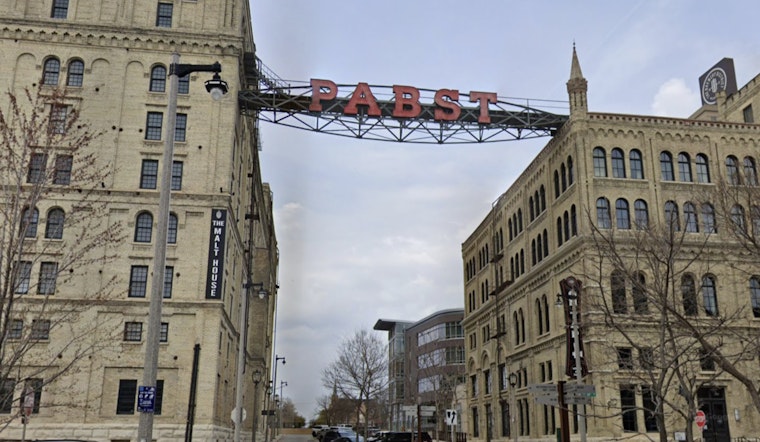
Pabst Brewing Co. just got a legal wake-up call from Wisconsin's highest court. On Wednesday the Wisconsin Supreme Court ruled that the company can be held liable under the state's century-old safe-place law for asbestos exposure that led to a steamfitter's fatal illness. In a 5-2 decision, the court kept in place a jury's finding that the brewery bore fault, while trimming how much the worker's estate can actually collect under state damage caps. The opinion ranks among the most closely watched recent interpretations of Wisconsin's non-delegable duty for premises owners and could ripple through similar workplace injury claims.
What the high court said
Writing for the majority, Justice Rebecca Dallet concluded that Pabst "owed a non-delegable duty" under Wisconsin's safe-place statute and can therefore be held responsible for injuries to independent contractors, according to the Wisconsin Court System. The decision was split 5-2, with Chief Justice Jill Karofsky and Justices Brian Hagedorn, Janet Protasiewicz and Susan Crawford joining Dallet. The court also ruled that Pabst could face punitive damages but recalculated that award to fit within state caps.
The case background
The lawsuit traces back to work in the 1970s at Pabst's Milwaukee bottling plant, where steamfitter Gerald Lorbiecki helped remove and replace asbestos-insulated pipes and later developed mesothelioma, according to Wisconsin Public Radio. Lorbiecki filed suit before his death, and his estate carried the case forward, arguing that asbestos released on the brewery floor violated the safe-place law. A jury initially awarded millions of dollars in compensatory and punitive damages after finding Pabst and other parties at fault.
How damages changed
Jurors at trial handed down multi-million dollar compensatory damages along with hefty punitive damages, but the Supreme Court pared back what Pabst must pay after applying Wisconsin's damage caps and apportionment rules. The result left the Lorbiecki estate with just over $2.3 million from Pabst, as reported by the Wisconsin Examiner. The high court agreed that punitive damages have to track Pabst's share of fault under state law, reversing part of the appeals court's approach. Lawyers for the plaintiffs had argued that Pabst knew asbestos was present at the site and failed to protect workers and other frequenters.
Why the split matters
Conservative justices warned that the ruling could stretch liability for property owners whenever contractor work stirs up a hazard the contractor may have created. In a sharply worded dissent, Justice Annette Ziegler cautioned that the majority's logic could spark a "sea change" in litigation strategy, according to Urban Milwaukee. Supporters of the decision counter that it simply enforces a non-delegable duty that is supposed to keep workplaces safe for everyone who frequents them, including employees of outside contractors. Businesses and insurers are expected to watch closely to see how lower courts apply the opinion in upcoming cases.
Legal implications
On a practical level, the ruling confirms that premises owners in Wisconsin cannot shift responsibility for preexisting hazards even when outside firms are brought in to do the work, a point spelled out in the court's opinion and related appellate decisions, per the Wisconsin Court System. Attorneys say the decision will likely fuel more litigation over how fault is divided and how punitive-damage caps should be applied, and it could influence contracting, insurance and on-site safety practices across the state. For employers and building owners, the bottom line is clear enough: document hazards and safety measures carefully whenever outside crews are on the property.





