

























































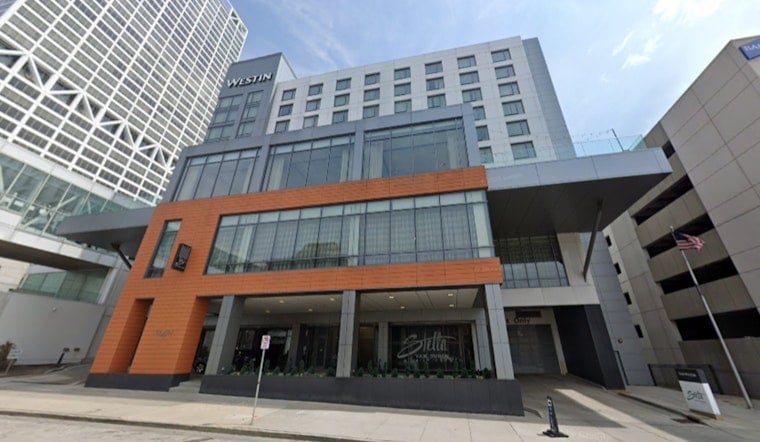
More than 150 pancreatic cancer patients and survivors are expected to descend on The Westin Milwaukee next week for what organizers describe as the largest gathering of its kind in the country. The 5th annual Power of Us Pancreatic Cancer Patient Conference runs from Friday, August 21 through Sunday, August 23, and has grown steadily since it began, jumping from 107 attendees just last year.
The educational conference is organized by the Seena Magowitz Foundation, according to WTMJ, which spoke with Libby Collins about the event and interviewed pancreatic cancer survivor Liz Behling. The foundation itself was created in memory of Seena Magowitz, who died of pancreatic cancer in 2001, by her son Roger Magowitz, and it has since raised more than $13 million for targeted research and patient advocacy, per Patient Worthy.
Behling's own path to survival illustrates why gatherings like this one matter so much to patients. Diagnosed around 2023, her initial surgery was aborted midway through due to vascular involvement in her tumor — a complication that often renders pancreatic tumors inoperable at standard surgical centers — before she found successful treatment under Dr. Douglas Evans in Milwaukee, according to the Seena Magowitz Foundation.
Why Milwaukee Draws Patients From Across the Country
Evans, who serves as conference honorary chair, is chair of surgery at the Medical College of Wisconsin, home to the endowed Mary Ann and Charles LaBahn Pancreatic Cancer Program and an integrated biobank holding more than 8,500 patient specimens, according to the Medical College of Wisconsin. The LaBahn Program is one of only a few endowed pancreatic cancer programs in the world, which helps explain why patients travel from far outside Wisconsin to seek treatment and attend the conference in Milwaukee.
Wisconsin's own pancreatic cancer mortality rate sits at roughly 12.3 deaths per 100,000 residents, closely tracking national averages, per state-by-state data cited by Becker's Oncology. Regional health systems such as Froedtert and the Medical College of Wisconsin handle a significant share of the area's pancreatic cancer cases, underscoring why the state has become something of a hub for this kind of specialized, patient-focused programming.
A Cancer That Remains Stubbornly Hard to Beat
The urgency behind the conference is rooted in grim national numbers. The American Cancer Society projects that approximately 67,530 people in the U.S. will be diagnosed with pancreatic cancer in 2026, and 52,740 will die from the disease, according to the Lustgarten Foundation. The overall five-year relative survival rate remains stuck at just 13%, making it the third leading cause of cancer death in the country even as overall U.S. cancer death rates dropped 34% between 1991 and 2023.
Much of that grim outlook traces back to how late the disease is typically caught. National Cancer Institute SEER program data show that 51% of pancreatic cancer cases are diagnosed only after distant metastasis has occurred, which carries a 3.4% five-year survival rate, while just 15% are caught at a localized stage, where survival climbs to 43.6%. Early-stage pancreatic cancer typically presents without noticeable symptoms, which delays diagnosis for most patients and helps explain why the Perelman School of Medicine at the University of Pennsylvania projects the disease will become the second leading cause of U.S. cancer deaths by 2030, trailing only lung cancer.
KRAS Research Takes Center Stage at This Year's Sessions
Against that backdrop, this year's scientific programming leans heavily into breakthroughs targeting KRAS gene mutations, which drive more than 90% of pancreatic ductal adenocarcinomas. KRAS was long considered an undruggable target, but recent targeted therapies and experimental vaccines have opened new treatment pathways that organizers plan to spotlight for the patients and clinicians attending.
That focus mirrors a wave of research making headlines elsewhere this year, including Baltimore's KRAS vaccine trial. Hoodline has also tracked a wearable electric-field device cleared for tough-to-treat cases, a custom mRNA shot credited with helping a 72-year-old survivor, immunotherapy research out of Portland, and a Miami patient's response to targeted catheter chemotherapy — all signs of incremental but real momentum in a field that has seen little change in survival odds for decades.
For patients like Behling, that momentum is deeply personal. The Power of Us conference gives them a chance to connect with the same specialized surgical programs and research networks that made her own treatment possible, even as the broader statistics remain sobering for the tens of thousands of Americans expected to face a pancreatic cancer diagnosis this year.



