

























































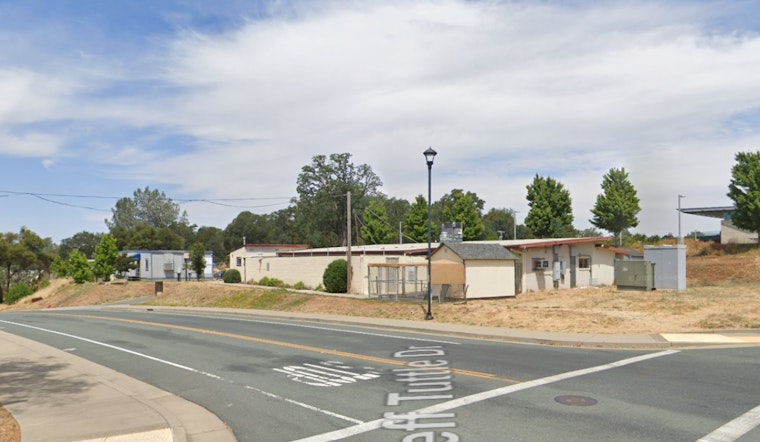
A canine parvovirus outbreak tied to dogs from the Rail Road Flat area has forced Calaveras County Animal Services to hit pause on most new dog intakes. Several impounded dogs tested positive, so for the next 14 to 21 days, the county shelter says it will stop accepting dogs while staff isolates affected animals and deep‑clean kennels. Adoption services remain open, and shelter leaders say many animals already on site are vaccinated. Residents who find stray dogs are asked to check for microchips, consider fostering the animal, or take it to a veterinarian rather than dropping it at the shelter.
Shelter pause followed positive tests
The shelter announced the intake pause in a Facebook post, The Sacramento Bee reported. Dogs from the Rail Road Flat area were impounded on April 18 and later tested positive for parvo, and the shelter will limit new admissions to critical cases for the next two to three weeks, KCRA reported.
What parvo does and who’s most at risk
Canine parvovirus, commonly called parvo, attacks a dog’s white blood cells and the lining of the gut and can be fatal, particularly in unvaccinated puppies, the American Veterinary Medical Association says. Infection can quickly move from mild signs such as lethargy and loss of appetite to severe vomiting and bloody diarrhea, the Cornell University College of Veterinary Medicine notes. The virus is highly contagious and can linger in soil and on surfaces for months, which is why shelters resort to quarantine and intensive cleaning after outbreaks.
How parvo is treated and prevented
There is no antiviral that directly kills the virus, so care focuses on aggressive supportive treatment such as intravenous fluids, anti‑nausea medication, nutrition and antibiotics for secondary infections, according to PetMD. Some clinics also use a canine parvo monoclonal antibody in severe cases, and early hospital care greatly improves survival odds, clinical reviews show. Vaccination remains the cornerstone of prevention, and the UC Davis School of Veterinary Medicine emphasizes a complete vaccine series for puppies and routine boosters for adult dogs.
If you find a stray
Calaveras County Animal Services asks people who find strays to check with neighbors, post on lost‑and‑found sites, and have animals scanned for microchips or taken to a local veterinarian rather than dropping them off at the shelter, Calaveras County Animal Services says. The shelter is tapping its network of foster volunteers and will continue adoptions and other services while limiting new intakes, so residents are urged to contact Animal Services before bringing in an animal, local reporting adds.
Veterinarians' bottom line
Veterinarians stress that routine vaccination and keeping young pups away from high‑traffic dog areas are the best defenses against parvo. If your dog shows symptoms, contact your veterinarian immediately, the UC Davis School of Veterinary Medicine advises. For the latest on the shelter’s status, check Calaveras County Animal Services’ updates and local reporting.



