

























































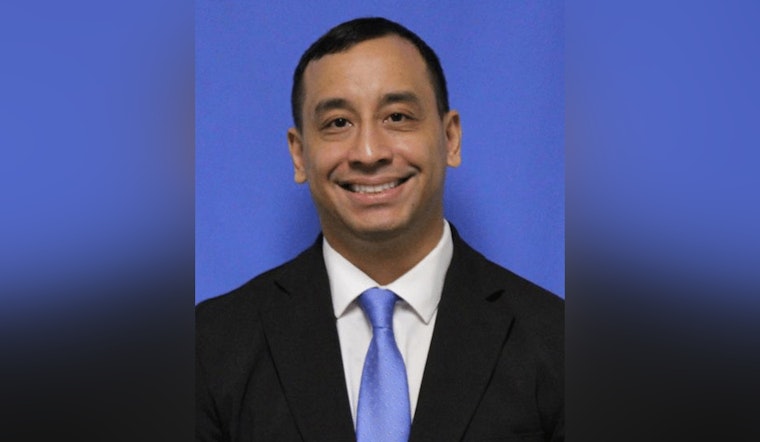
Hawaii’s top state law enforcement official is heading back to street blue, and the reason is not office politics. Mike Lambert, director of Hawaiʻi’s Department of Law Enforcement, says he will step down in late June or early July so he can return to the Honolulu Police Department and preserve retirement benefits he spent more than two decades earning as an HPD officer. He has told colleagues the move is about the math of the state pension system, not about frustration with the job, even though his exit comes while the statewide agency he helped build is still very much a work in progress.
Retirement Math Pushed Him Back To HPD
Lambert says rules in the state retirement system would effectively downgrade the pension rate he earned as an HPD officer, costing him about $20,000 a year if he stays in the state post. According to Honolulu Civil Beat, he needs roughly five more years with HPD to lock in the higher "class A" police pension rate. A bill at the Legislature that would have protected that benefit stalled in the Senate. “My intent was to retire with the DLE had the bill passed,” Lambert told Civil Beat. He has said he hopes to return to HPD either as a line officer or, if chosen, as the department’s next chief.
Bills Sought To Preserve Officer Pensions
Lawmakers floated fixes this session aimed at shielding officers who move into certain Department of Law Enforcement leadership roles from taking a pension hit on years they already spent on the street. Bill texts and committee records show HB1183 and HB2358 proposed either reclassifying specific jobs or splitting the calculation so that past HPD service would keep the 2.5% police multiplier while later state service would use the lower general employee rate. Neither measure made it into law this year. See HB1183 and HB2358 for bill text and committee histories.
What The Department Does And Why It Matters
The Department of Law Enforcement was carved out of the old Department of Public Safety and now oversees officers who protect airports, harbors, state lands and courthouses, among other responsibilities. The agency’s news release and website note that Lambert came to DLE after more than 20 years at HPD and lay out the department’s statewide mission. That broad remit means a director’s departure is not just an internal shuffle. It can ripple into security at state facilities and joint operations with county police. For more background, see the DLE announcement.
Staffing Pressure And Pay Gaps
Even before Lambert’s decision, DLE leaders were warning lawmakers that recruiting for the young agency is an uphill climb. A January budget briefing described a pay gap where county police departments can offer “a differential of almost $28,000 that the PD pays above what we pay.” That same testimony says the department is trying to fill about 119 vacancies while also standing up new enforcement programs. The combination has fueled calls for higher salaries and bonuses so state deputies are not permanently outbid by county departments. See the committee transcript for details.
What Comes Next For Lambert And DLE
Lambert has applied to be Honolulu’s next police chief and has recommended his deputy, Jared Redulla, to succeed him at DLE. According to Honolulu Civil Beat, Lambert expects to step down in late June or early July and says he will return to HPD even if he is not selected as chief. The timing matters because HPD has been without a permanent chief since Arthur “Joe” Logan announced that he would retire effective June 30, 2025, as reported by the Honolulu Star-Advertiser.
Lambert’s move turns what might have been a dry pension policy debate into a very public case study and underscores how benefit formulas and salary gaps can dictate where experienced law enforcement leaders choose to serve. With summer approaching, lawmakers now face fresh pressure over whether to revisit a tailored pension fix, broader pay boosts for state deputies or both.





