

























































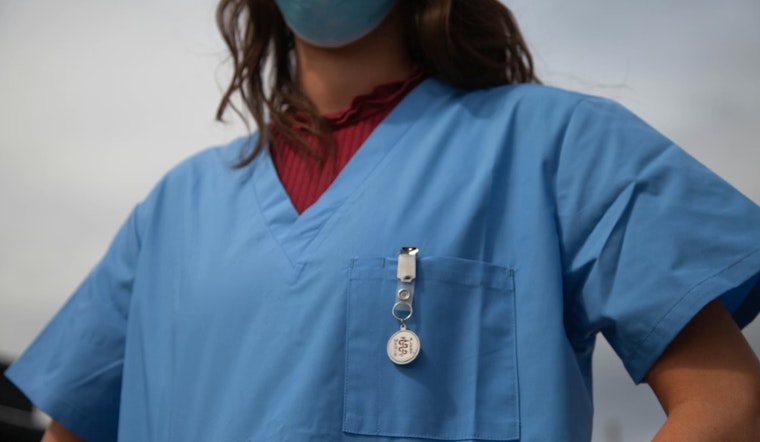
In Philadelphia, the hunt for the next generation of nurses now starts in homeroom.
Hospitals and health systems across the city are reaching into high schools to recruit future nurses as a nationwide staffing crisis leaves wards stretched and emergency departments scrambling for coverage. The efforts range from short internships and summer bootcamps to full-on healthcare high schools that promise industry credentials, college credit and direct routes into hospital jobs.
As reported by CBS Philadelphia, nurses and educators are stepping into classrooms, running summer sampler programs and arranging clinical shadowing to steer students toward careers in nursing and allied health. Local TV crews note that hospital leaders view this high-school outreach as a practical way to rebuild a pipeline drained by retirements and pandemic-era departures.
A National Push With Local Partners
The Philadelphia effort is part of a larger national strategy. Bloomberg Philanthropies has committed roughly $250 million to support healthcare-focused high schools and career-connected learning in 10 communities, and systems from Memorial Hermann to Children’s Hospital of Philadelphia are rolling out programs that let students earn dual credit and industry-valued certificates.
Health trade coverage describes these partnerships as a mix of classroom training, simulation labs and paid internships that are designed to create “grow your own” hiring funnels for hospitals. Becker's Hospital Review has been tracking the wave of these high-school-linked healthcare programs across the country.
Philadelphia’s Health Institute At Hardy
In the city, one of the most ambitious examples is the Health Institute at Hardy, a healthcare-connected program created by Children’s Hospital of Philadelphia and Mastery Schools. The school is slated to open in August 2025 and is expected to scale to about 620 students in grades 7 through 12.
The partners say the curriculum will feature simulation labs, job-shadowing and paid internships, and that students who meet program requirements will be eligible for interviews with CHOP. Joel D. Boyd, CEO of Mastery Schools, said the partnership aims to equip students “with the knowledge, experience, and confidence they need to enter the workforce.” CHOP outlines the plan and timeline on its website.
The pipeline push is a response to real limits in training and staffing. The American Association of Colleges of Nursing reports that U.S. nursing programs have turned away tens of thousands of qualified applicants, including more than 65,000 from entry-level baccalaureate programs alone, because of shortages of faculty, clinical sites and classroom space. Meanwhile, the National Council of State Boards of Nursing has documented large pandemic-era losses and attrition in the workforce, finding that roughly 100,000 registered nurses left and that hundreds of thousands more have signaled an intent to leave in the coming years. AACN and NCSBN have published the figures driving the sense of urgency.
Limits, Money And The Long Game
Experts caution that early-career pipelines can help expand access and diversify the talent pool, but they do not by themselves fix the bottlenecks around faculty supply, clinical placements or the time it takes to train and license new nurses. High-school-to-hospital programs may set the stage, yet someone still has to teach those students and supervise them at the bedside.
Pennsylvania officials are trying to tackle that piece as well. Gov. Josh Shapiro’s administration has proposed a $5 million Nurse Shortage Assistance Program to subsidize tuition for nursing students who commit to working in state hospitals, as part of a broader set of workforce measures intended to keep more nurses local. The state press office says the investments are designed to pair education pipelines with hiring commitments. PA.gov
If the plans pay off, the benefit for Philadelphia patients and families is straightforward: more students turning into credentialed staff could mean steadier shifts and shorter waits. But hospital leaders, educators and state officials all acknowledge that it will take sustained investment in teachers, clinical sites and retention strategies for high-school-to-hospital pathways to move the staffing needle in a meaningful way.




