

























































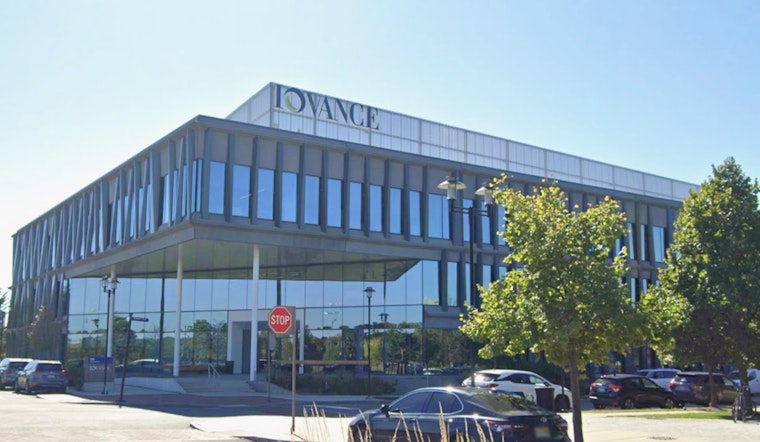
On a quiet stretch of the Philadelphia Navy Yard, one of the city’s most advanced labs is turning bits of tumor into a last-ditch weapon against melanoma. Inside Iovance Biotherapeutics’ plant, technicians take tumor tissue from patients with advanced skin cancer and coax the embedded tumor-infiltrating lymphocytes into billions of cancer-fighting cells. After strict quality checks, the finished dose of Amtagvi, a one-time cell therapy, is packed up and rushed back to the hospital for infusion. It is cutting-edge medicine, and it is anchoring a growing local ecosystem of high-tech jobs.
As reported by PHILADELPHIA.Today, Iovance opened its Navy Yard manufacturing facility in 2021 and now runs it around the clock to handle both clinical and commercial demand. Tumor samples are flown into Philadelphia International Airport from treatment centers and trials around the world, then hustled across town under tight temperature controls so production can start right away. That speed is not just for show; for patients with advanced disease, a few weeks can be the difference between getting treated and running out of time.
FDA milestone and what it means
Amtagvi (lifileucel) received accelerated approval from the U.S. Food and Drug Administration on Feb. 16, 2024, becoming the first tumor-derived T cell therapy cleared for a solid tumor indication. The green light came through the agency’s accelerated approval pathway based on response rates seen in clinical trials, and federal regulators have required follow-up studies to confirm clinical benefit, according to the FDA. The label covers adults with unresectable or metastatic melanoma who have already been treated with PD-1 inhibitors and certain targeted therapies.
Inside the Navy Yard lab
From the moment a tumor is collected to the time the product is ready for infusion, a manufacturing run at the Navy Yard takes about 34 days. During that stretch, technicians work in sterile suites 24/7 to keep the process clean and on schedule, The Philadelphia Inquirer reports. The Iovance Cell Therapy Center spans roughly 136,000 square feet and employs about 600 people, many recruited through local training programs. “Because our patients just don’t have that much time to wait,” the company’s vice president of quality told the paper, explaining why the whole operation is engineered around speed.
Sticker shock and coverage questions
The official order sheet for AMTAGVI puts the wholesale acquisition cost at roughly $562,000 per dose. The same AMTAGVI documentation spells out that treatment involves inpatient monitoring and carries significant risks, factors that stack on top of the list price and push total costs even higher. Insurers, meanwhile, are drawing hard lines, with strict clinical criteria and prior-authorization rules. Coverage policies detail one-dose limits and tight eligibility checks, according to EmblemHealth.
Jobs, training and local impact
The Navy Yard’s Skills Initiative, working with partners including Jefferson, has been training aseptic manufacturing technicians who then step into roles at Iovance, helping staff the company’s high-skill operation. That talent pipeline, combined with a cluster of nearby contract manufacturers, is a big reason Philadelphia has emerged as a national hub for cell and gene therapy manufacturing. Local officials say the facility is helping to shift the neighborhood’s economy toward life sciences while giving residents a pathway into well-paid technical careers.
Iovance’s public filings describe the Iovance Cell Therapy Center in Philadelphia as the commercial manufacturing backbone for tumor-infiltrating lymphocyte therapies and lay out plans to expand beyond melanoma, including trials that pair TIL with other immunotherapies. Iovance details efforts to scale manufacturing and collaborate with dozens of authorized treatment centers, even as cost and access questions linger. For Philadelphia, the Navy Yard operation has already become more than a factory. It is a place where high-stakes medicine intersects with local jobs, and where the future of cancer care is being assembled one patient at a time.





