

























































Scammers pretending to be bail bondsmen are working the phones across central Oklahoma, zeroing in on relatives of people who have just been booked into jail and pressuring them to pay up for a so-called “immediate release.” The callers lean hard on fear and urgency, pushing families to send money before anyone has a chance to verify the arrest or check with the jail, and some Oklahomans are finding out too late that they have been hustled.
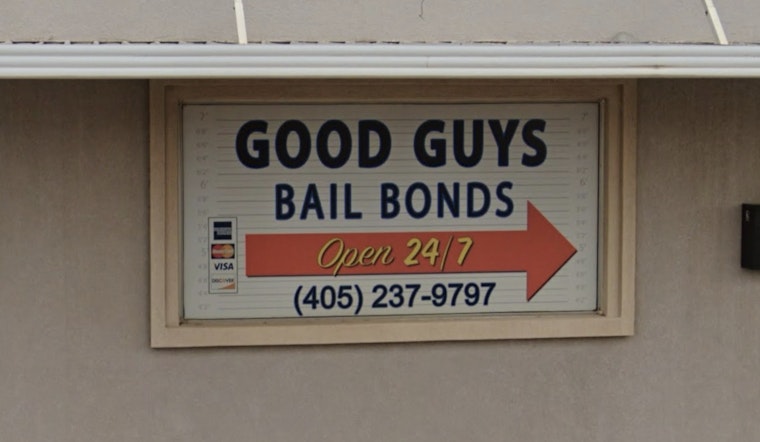
Reports indicate the scheme has hit families in Oklahoma County, Grady County and Pottawatomie County, with some victims paying as much as $1,000 before realizing the “bondsman” on the line was a fake, according to KFOR. Bobby Brawdy, owner of Good Guys Bail Bonds in El Reno, told the outlet he worries scammers may be misusing arrest information and often manage to contact relatives before the person in custody can. “It’s very sad families give all their money to imposters,” Brawdy said.
How the con works
The playbook is simple but ruthless. Scammers scour jail rosters or public arrest records, then call relatives while emotions are running high, pretending to be licensed bondsmen or even deputies who claim they can get a loved one out of jail right away for a fee. Victims are pushed to pay through Cash App, Venmo, gift cards or cryptocurrency kiosks, and are sometimes hit with extra charges like “GPS monitoring” or ankle-monitor fees. Local bail agents and law-enforcement officials say the safest move is to hang up and verify any arrest directly with the jail, advice also highlighted by reporting from KJRH.
What bondsmen and regulators recommend
Legitimate bail agents say they are not cold-calling people out of the blue and do not demand payment through gift cards or peer-to-peer apps. Real bond deals are documented and typically handled in person, either at a bondsman’s office or at the jail window. The Good Guys Bail Bonds blog urges families to treat unsolicited calls with suspicion, verify an agent’s license online, and refuse to pay anyone they have not met at the jail. The Oklahoma Insurance Department also provides consumer tools and a complaint hotline so people can check licensure or report possible fraud.
Legal penalties and reporting
In Oklahoma, impersonating someone else to get money is more than a sleazy move; it can be charged as a felony. The state’s false personation statute covers schemes where a scammer uses deception to score a financial benefit, according to Oklahoma Statutes. Officials say victims should report these calls to local law enforcement and to the Oklahoma Attorney General's Consumer Protection Unit, which has previously warned about fake-bail and cryptocurrency kiosk schemes and asks residents to flag suspicious calls or texts.
If someone calls demanding bail money, the safest response is to hang up, look up the jail’s official phone number yourself and call to confirm whether your loved one is actually there. You can also contact the Oklahoma Insurance Department at 800-522-0071 or the Attorney General’s consumer hotline to report the attempt. Law enforcement suggests saving caller ID information and any texts, then filing a report so investigators can track patterns and, when possible, try to recover some of the stolen cash.





