

























































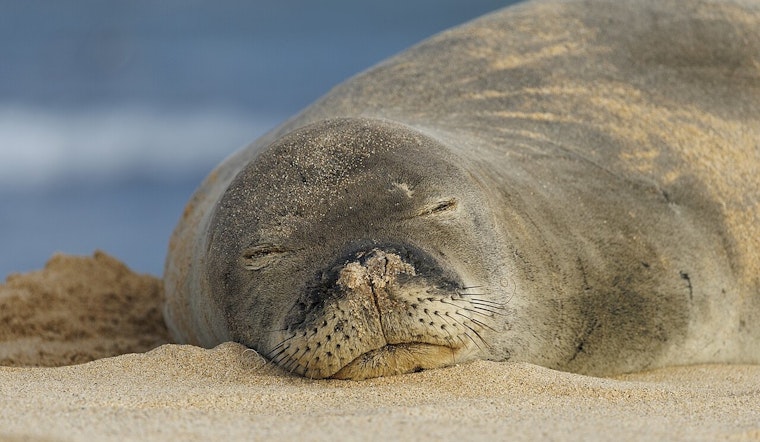
Hawaii’s endangered monk seals just landed a No. 1 ranking that no one here was asking for: a new global analysis puts them at the top of the list of marine mammals most vulnerable to large plastic pollution. Entanglement and ingestion of fishing gear and other macroplastics are putting this small, slow-reproducing population in Hawaiian waters in serious danger.
The study, published in Conservation Biology and compiled by researchers from Ocean Conservancy, Arizona State University and the Shaw Institute, evaluated 117 marine-mammal species and found Hawaiian monk seals ranked No. 1 for combined risk of ingestion and entanglement, according to Maui Now. “Knowing which populations are most at risk can guide our efforts and add urgency where it’s needed most,” co-author Dr. Erin Murphy said in remarks reported by the outlet.
Large Necropsy Dataset Shows Small Amounts Can Be Lethal
To understand just how deadly plastic can be, researchers also drew on a complementary quantitative analysis of more than 10,000 necropsies that modeled how the number and type of ingested plastics relate to mortality, per a study in PNAS published last November. That analysis included 7,569 marine mammals and found 72% of marine mammals with plastics had consumed fishing debris, with even relatively small volumes markedly increasing the chance of fatal injury.
Why Monk Seals Top the List
The reasons monk seals are so vulnerable come down to natural history and geography, the study notes. They are curious, coastal fish-eaters that routinely encounter lost fishing gear and live under ocean currents that concentrate plastics. The species remains endangered, and NOAA Fisheries estimates there are roughly 1,600 Hawaiian monk seals in the wild, so each death or entanglement has outsized consequences for the entire population.
Cleanup Helps, With Evidence From Hawaiʻi
There is some good news: targeted removals appear to work. A 2024 Science analysis found entanglement rates fell sharply in areas where large-scale ghost-gear cleanups were concentrated, as summarized by the University of Hawaiʻi. Local response initiatives, from the Maui Monk Seal Response program to neighborhood cleanups, are designed to put that research into practice, as Maui launches seal response squad.
What Residents Can Do
Researchers say the ranking can help pinpoint where to focus cleanup work, policy and monitoring, but a lot of the action starts close to home: cutting single-use waste, securing fishing gear and reporting or removing ghost gear when it is safe to do so. If you spot an injured or entangled seal in Hawaiʻi, report it to NOAA’s Marine Wildlife Hotline at (888) 256-9840 or follow guidance on NOAA Fisheries.





.jpg)