

























































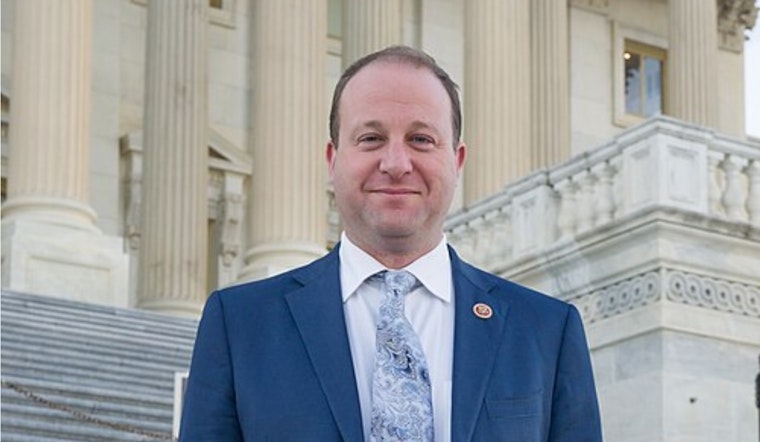
On Monday, Gov. Jared Polis signed a bill that broadens who can ask a judge to temporarily restrict a person’s access to firearms under Colorado’s extreme risk protection law. The measure now lets institutional petitioners, including hospitals, behavioral health centers and K–12 and higher education institutions, seek ERPOs that can remove guns for a limited period.
Senate Bill 26‑004 cleared the legislature and was signed into law this week, according to the Denver Gazette. The outlet notes that Sens. Tom Sullivan and Julie Gonzales and Reps. Jenny Willford and Meg Froelich carried the bill.
What the law changes
In its final form, the bill creates a new category of “institutional petitioners” that can file for a temporary ERPO. That group includes school districts, private schools, institutions of higher education, hospitals and behavioral health treatment facilities. The law also adds co‑responders who provide on‑site crisis assessment and de‑escalation, authorizes limited disclosure of protected health information for an ERPO petition, directs courts to seal those records and to return or destroy them after proceedings, and shields good‑faith petitioners from civil or criminal liability, as laid out in the Colorado General Assembly.
How this fits into state law
Colorado’s ERPO system dates to 2019, when the state first allowed family members and law enforcement officers to seek temporary firearm‑removal orders. Lawmakers broadened the list in 2023 to include licensed health care professionals, mental health professionals, educators and district attorneys. Senate Democrats report that there were 164 ERPO petitions filed statewide in 2024, according to Senate Democrats.
Supporters and critics
Supporters say giving institutions a more direct role will help them act faster when they see warning signs. “Adding health care and education facilities to the list of qualified petitioners for an ERPO helps ensure that trusted community members are able to reach those who are a danger to themselves or others sooner and stop more violence before it occurs,” sponsor Tom Sullivan said in a statement to Senate Democrats.
Opponents counter that the expansion risks infringing on Second Amendment rights and the Fifth Amendment’s due process protections, according to the Denver Gazette.
Votes and next steps
The bill passed the Senate on a 20–13 vote and the House on a 39–24 vote, according to official roll calls on the Colorado General Assembly. With the governor’s signature now in place, courts and institutions will start working out how, and how often, hospitals, campuses and school districts use this new petitioning authority.
What to watch
Gun‑violence prevention advocates say institutional petitioners could give hospitals, campuses and school districts another tool to intervene when someone shows signs of imminent harm. Gun‑rights groups and some Republicans, meanwhile, have warned of possible legal challenges and closer scrutiny of how courts handle confidentiality and due process as the new law rolls out.





