

























































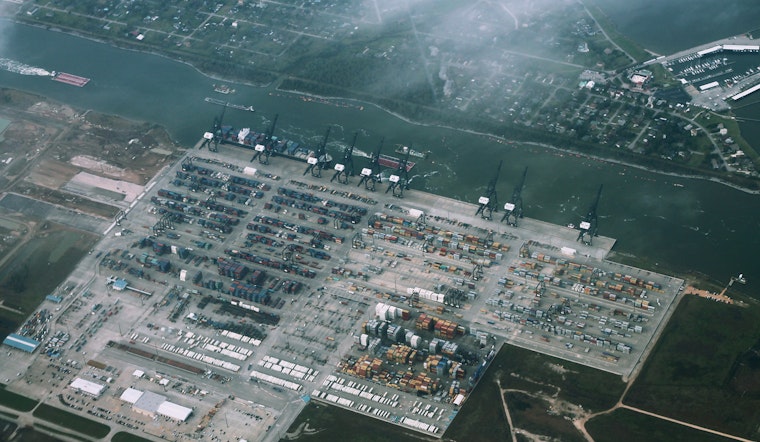
Port Houston kicked off 2026 with the Houston Ship Channel staying busy, moving 1,087,870 twenty-foot equivalent units (TEUs) in the first quarter and keeping the nation’s busiest waterway on a modest growth track heading into spring. Total tonnage across the port’s public facilities rose 5 percent to 13,897,479 short tons, with March’s activity helping to lift the quarterly totals. The gains came as mixed strength in bulk and liquid cargoes lined up with continued container traffic at Bayport and Barbours Cut.
Q1 totals and trends
According to the American Journal of Transportation, the 1,087,870 TEUs represented a 2 percent increase over 2025’s record pace, with March alone accounting for about 391,037 TEUs. The outlet reports that loaded imports were up 7 percent in March and 4 percent year to date, helped along by refrigerated cargo and retail goods, even as some loaded export lines softened month to month. Port executives told the publication that Houston’s petrochemical scale and large import market helped the port capture and hold new market share during surge cycles, suggesting that the port is still cashing in on its size advantage.
More berths and cranes
Port Houston has been spending to stay ahead of the curve. The port authority reported that it completed Wharf 7 at Bayport and added new rubber tired gantry cranes (RTGs), with a 16 unit RTG order slated to bring the public terminal fleet to roughly 163 units when deliveries are finished. Officials point to those new wharf and crane assets, along with RTG O automation rolled out in 2025, as upgrades that boost yard productivity and improve truck turn times. Port leaders argue that this kind of infrastructure work underpins the port’s ability to receive more vessels and handle heavier cargo flows without gumming up the works.
Cleaner equipment, faster handling
The newer cranes are not just about lifting more containers; they are also about cleaning up the air. As the American Journal of Transportation notes, roughly half of Port Houston’s RTG fleet now runs on hybrid electric technology. The port says that setup cuts certain air emissions by about 90 percent and carbon dioxide by roughly 30 percent compared with traditional diesel equipment. That combination of cleaner handling and extra lift capacity, officials say, helps the Ship Channel absorb short term cargo surges while easing pollution burdens in nearby neighborhoods.
Project 11 and the channel outlook
Port leaders are also banking on deeper and wider water to keep cargo moving. The Port led segments of the Houston Ship Channel Expansion, known as Project 11, are complete, the Port Commission reported in its March meeting materials, a change that removes long standing nighttime movement restrictions and gives large vessels more flexibility to transit the channel. Port Houston added that continued spending on wharves, gates and freight mobility planning is designed to keep cargo fluid and support thousands of regional jobs tied to the channel, a reminder that those TEU counts ripple well beyond the waterfront.





.jpg)