

























































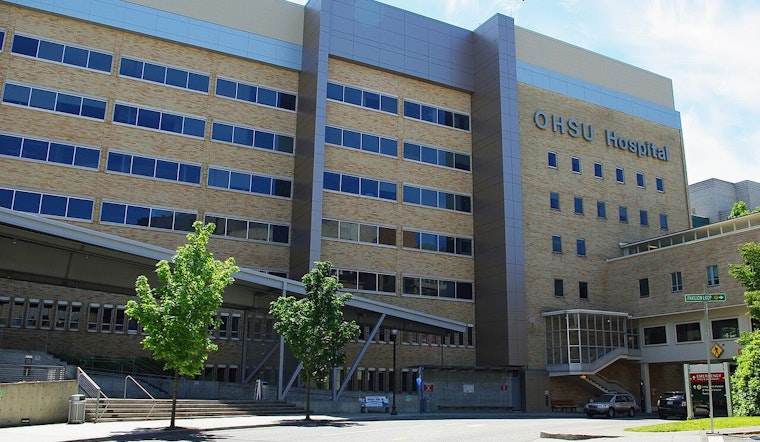
Portland scientists at Oregon Health & Science University say they have figured out why pancreatic tumors so often brush off immunotherapy, and how to flip that script so the same tumors start inviting an immune attack instead. In lab studies, the team found that stimulating an immune receptor called CD40 can reprogram the regulatory T cells that usually help tumors hide, turning those cells into ones that pump out inflammatory, tumor‑fighting signals. The findings, detailed in a new paper out this week, point to combination strategies that could finally make immunotherapy useful against pancreatic cancer.
According to Oregon Health & Science University, the group showed that pancreatic tumors actively reshape their immune microenvironment by hijacking regulatory T cells, and that activating CD40 in laboratory models can reverse that program. “Pancreatic cancer is incredibly resistant to most therapies,” said senior author Katelyn Byrne, Ph.D., in a statement. The university added that truly effective treatments may have to pull off a one‑two punch, simultaneously switching on the immune system and disabling the tumor’s built‑in ability to shut it back down.
How Researchers Rewired Suppressive Cells
In work reported in the journal Immunity, the team used spatiotemporal imaging and lineage tracing in mouse models of pancreatic ductal adenocarcinoma to track what happens when they hit tumors with an agonistic anti‑CD40 antibody. The treatment reduced the number of FoxP3+ regulatory T cells inside the tumors and generated an “ExTreg” population that lost FoxP3 expression while gaining the transcription factor T‑bet and the inflammatory cytokine interferon‑gamma. These ExTreg cells clustered near CXCL9‑expressing dendritic cells and showed the strongest antigen‑driven activation of any T cells in the tumors, suggesting that the reprogrammed cells could help drive tumor rejection. The experiments combined imaging, genetic tracing and functional assays to chart how pancreatic tumors rewire immune cells in their local environment.
What This Could Mean for Treatment
Researchers say the work points toward treatment combinations that both “hit the gas” on immune responses and strip away the tumor’s local brakes, for instance by pairing CD40 agonists with checkpoint inhibitors or targeted drugs, as reported by Medical Xpress. Local coverage from KOIN noted that the team believes human trials testing such combinations could be possible within a few years if safety and dosing questions are resolved. Clinicians caution that promising mouse data is only a first step, and that every such approach has to go through careful clinical testing before it has a shot at helping patients.
Pancreatic ductal adenocarcinoma remains one of the most lethal cancers, with a five‑year relative survival rate of about 13% across stages, underscoring the need for new options, according to the American Cancer Society. Immunotherapy has transformed treatment for cancers such as melanoma and lung cancer, but in pancreatic cancer the heavily suppressive tumor microenvironment has largely blunted those gains and remains a major barrier to effective immune‑based therapies. The researchers stressed that although the results are encouraging, turning them into real‑world benefit will require human trials, dose fine‑tuning and careful selection of which patients are most likely to respond.
The study was led by Byrne and colleagues at the OHSU Knight Cancer Institute, with co‑authors from UC San Diego, the University of Pittsburgh, the National Institutes of Health and other institutions. The full paper is available in Immunity, and OHSU’s summary is online. OHSU researchers say they plan to keep mapping immune circuits in human tumors to pinpoint which patients might benefit most from such reprogramming strategies and to guide the design of future trials. For Portland patients and clinicians, the work highlights an active effort at the Knight Cancer Institute to move cutting‑edge immunology from the bench to the bedside.





