

























































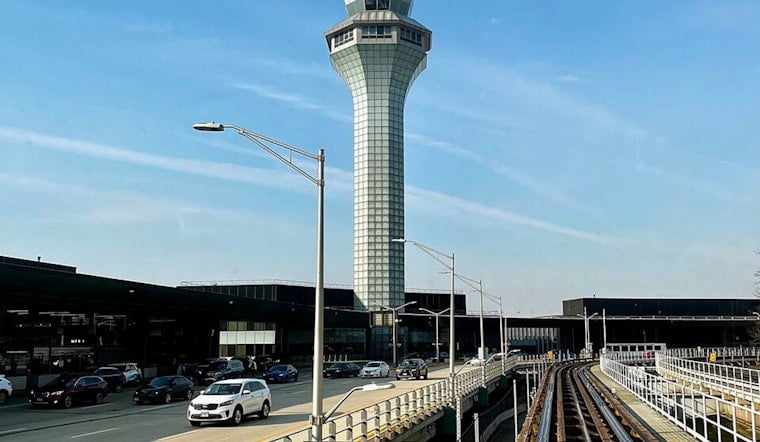
An early wave of thunderstorms threw a wrench into Thursday's travel plans at Chicago O'Hare International Airport, as federal officials briefly halted departures and forced passengers into a morning of stop‑and‑go flying. The disruption was relatively short, but it arrived ahead of a stormy forecast that could turn the afternoon and evening into a much rougher ride across northern Illinois.
Ground Stop Snags Morning Flyers At ORD
According to the Federal Aviation Administration, a ground stop at O'Hare went into effect at 6:31 a.m. and was scheduled to expire at 7:45 a.m., with minimum and maximum departure delays listed at 16 and 30 minutes. Local coverage found only a small number of flights scrapped, with short waits in the terminals; FOX 32 Chicago reported three cancellations and average departure delays of about 15 minutes.
Afternoon Storms Could Pack A Bigger Punch
The National Weather Service office in Chicago and regional forecasters say the main severe window is still to come, from roughly 3 p.m. to 9 p.m., when stronger storms capable of damaging winds and hail could fire up. Forecasts call for wind gusts that could reach 80 mph and hail up to around quarter size, a setup that could snarl the late‑day commute and disrupt evening flights if the worst of the storms tracks over the metro area. Local TV meteorologists have been stressing the risk in on‑air coverage and digital updates from NBC Chicago.
What Travelers Should Do
If you are booked to fly in or out of O'Hare, check your airline app and gate information before leaving home and build in extra time for potential shuffling. The Federal Aviation Administration posts ground stops and real‑time delay maps, and the airport's flight‑status pages will show cancellations and revised arrival times. Bring some patience, too, because if those stronger afternoon storms materialize, airlines typically stagger departures and may roll out same‑day change waivers.
Spring severe weather has already tangled flights around Chicago several times this season, as documented in local event summaries from the National Weather Service, with multiple rounds of hail and damaging wind reports. When lightning, heavy hail or strong gusts move toward major airports, the FAA often resorts to short ground stops or longer ground‑delay programs to keep crews and passengers safe while traffic backs up. Officials are expected to keep updating status pages and airline systems through the day as the weather evolves.





