

























































Under a patch of Utah desert west of Provo, Ionic Mineral Technologies says it has confirmed a high-grade cache of rare earths and other critical metals at its Silicon Ridge lease in the Lake Mountains. Company assays point to 16 critical minerals concentrated in a halloysite clay fraction, from lithium and vanadium to gallium, germanium and a full suite of light and heavy rare earths, and the company argues the discovery could reshape U.S. supply chains. State leaders and local industry are already eyeing potential jobs, school-trust revenue and a Preliminary Economic Assessment that is expected in the months ahead.
Company Announcement And Validation
Ionic MT announced the find in December 2025 and says independent assays by ISO-certified ALS Chemex confirm Silicon Ridge as a halloysite-hosted ion-adsorption clay deposit with a combined rare-earth and critical-metal grade near 2,700 parts per million. The company reports an exploration program that included 106 boreholes totaling more than 10,000 meters and 35 trenches across roughly 650 acres, and it has started work on a Preliminary Economic Assessment targeted for the first half of 2026, according to Business Wire.
What Is In The Clay
The reported halloysite clay fraction hosts 16 elements, including lithium, gallium, germanium, rubidium, cesium, scandium, tungsten and niobium, plus a full suite of light and heavy rare earths used in magnets, semiconductors and defense electronics. That wide mineral basket, along with the ability to extract material from clay rather than hard rock, is what local geologists and officials say could make the deposit strategically valuable for downstream manufacturing and processing, as reported by KSL.
How It Stacks Up
Ionic MT says the halloysite clay fraction averages about 2,700 ppm combined rare-earth and critical-metal grade, higher than the 500 to 2,000 ppm range typically described for Chinese ion-adsorption clay deposits, and argues that this supports Silicon Ridge's economic promise. Mining analysts caution that grade is only one part of the story and that continuity, depth, recoverability and permitting will ultimately determine whether the resource can be developed at scale, according to Mining.com.
Permits, Leases And Who Benefits
Silicon Ridge sits on state trust lands under leases and amendments that would send lease revenue to Utah's public schools. Board materials and lease memos show Ionic MT has been enlarging its holdings and proposing multi-lease terms to consolidate the Lake Mountains block. Proposed terms reviewed by state staff include annual rent of 13 dollars per acre and a clay royalty of 1.60 dollars per ton or 10 percent of gross value, and a recent package would expand the lease footprint toward roughly 12,000 acres, according to state meeting materials. The documentation indicates the state is treating the project as a strategic opportunity that could generate local jobs and long-term trust revenue, per Utah government.
Processing And Scale
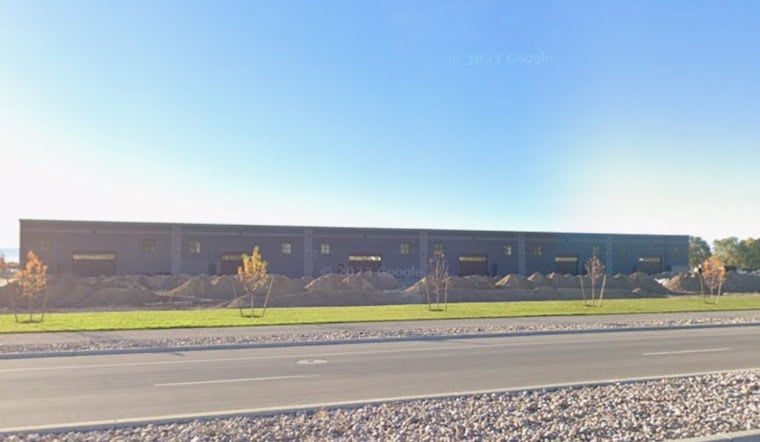
Ionic operates a permitted processing plant in Provo that is roughly 74,000 square feet, about 6,870 square meters, and says its low-emission flowsheet can recover up to 95 percent of the contained minerals while producing Ionisil nano-silicon and IonAL high-purity alumina as co-products. The company has engaged Citigroup as its exclusive capital markets adviser as it explores project financing and potential public markets plans. Those corporate details and recovery claims come from the company's announcement and media materials, per Business Wire.
Next Steps And Scrutiny
The path from discovery to production will run through the Preliminary Economic Assessment, additional drilling to expand coverage beyond the roughly 11 percent of the resource area tested so far, and state and federal permitting reviews that could take months or years. Federal interest in securing domestic critical-mineral supplies has been highlighted by national coverage and policy writers, and outlets have quoted company leaders on the find's implications for defense and AI hardware, as reported by WSJ Pro and Washington Examiner.
Bottom Line
Independent studies and the PEA will be the decisive tests for Silicon Ridge, but the combination of a broad mineral basket, existing state leases and a nearby permitted plant gives the project a rare head start in the U.S. critical-minerals race. If the results hold up, the find could help drive new domestic supply chains for EVs, semiconductors and defense systems while generating revenue for Utah schools, although timelines, environmental reviews and capital needs remain major unknowns, according to industry analysis from Mining.com.





