

























































East Tennessee sheriff's offices say a slick new "Notice of Hearing" scheme is making the rounds, with scammers dressing up text messages to look like official court paperwork and slapping on QR codes to reel people in. The goal: push drivers into paying bogus traffic, toll, or parking fines before they have time to think twice.
The notices usually show up as images attached to texts and claim to be a final notice or warning of an upcoming court hearing unless money is paid. The language leans hard on urgency and fear, deputies say, which is exactly the point. Law enforcement is blunt about it: the documents are fraudulent, and anyone who receives one should ignore the message and its instructions.
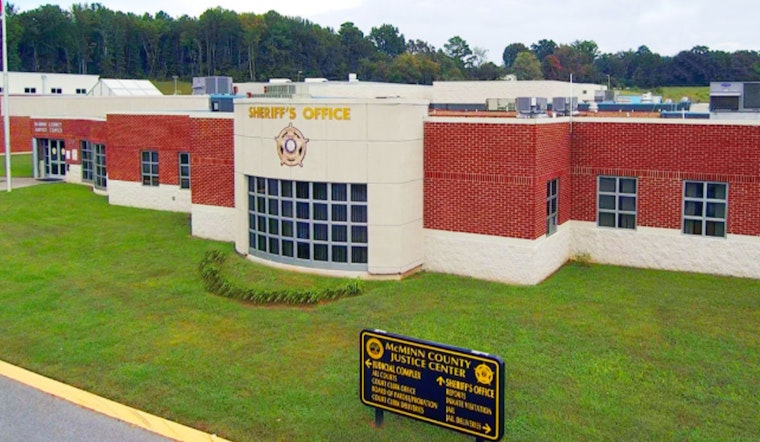
McMinn County Sheriff Joe Guy says the scam centers on a QR code that urges people to settle an alleged unpaid traffic balance, and he has a simple rule for residents: "Nobody should scan the QR code." The Roane County Sheriff's Office is telling people to double-check any supposed notice by calling the court or agency directly, using a trusted phone number, not the one in the message. These warnings were reported by WVLT.
How the Scam Shows Up
The fake documents are designed to pass a glance test: they mimic real court paperwork with case numbers, judge names, and courthouse addresses. Hidden in the fine print is a QR code or link that sends victims to a phony payment page.
The messages often label themselves a "final notification" for unpaid tolls, fines, civil penalties, or court costs and threaten driver 's-license suspension or credit-score damage if the recipient does not act. State attorneys general and consumer-protection offices in other states have sounded similar alarms and say people should not scan QR codes from unsolicited notices, according to the North Carolina Department of Justice.
What Officials Tell You To Do
Authorities are offering a short checklist: do not scan the QR code, do not click links, and do not call numbers printed on the suspicious notice. Instead, verify any alleged citation with the court or clerk using a phone number from the court's official website.
The Federal Trade Commission recommends forwarding sketchy texts to 7726 (SPAM) and filing a complaint at ReportFraud.ftc.gov, while the FBI's Internet Crime Complaint Center (IC3) serves as the federal intake point for online fraud reports. If you have already paid or entered financial information, officials advise contacting your bank immediately, filing a police report, and submitting a complaint to IC3 so investigators can document the scam. The Federal Trade Commission and the FBI’s IC3 provide detailed reporting guidance and resources.
If You Already Scanned or Paid
If you scanned the code but stopped short of typing in any payment details, officials say to close the page and run an antivirus or malware scan on your phone, just in case. If you did enter payment or personal information, contact your bank or card issuer right away to dispute charges, place fraud alerts, or set up credit freezes if needed, and file a police report so local deputies can document what happened.
Sheriff's offices emphasize that reporting these incidents helps detectives spot patterns, track how the scam is evolving, and warn others in the community.
When something feels off, skip the number on the notice and instead use a verified phone number from your court or clerk's official website. Officials also urge residents to spread the word to older relatives and neighbors, who are often prime targets. Anyone in East Tennessee who receives a questionable "Notice of Hearing" is asked to save screenshots and report it to their sheriff's office so deputies can follow up.





