

























































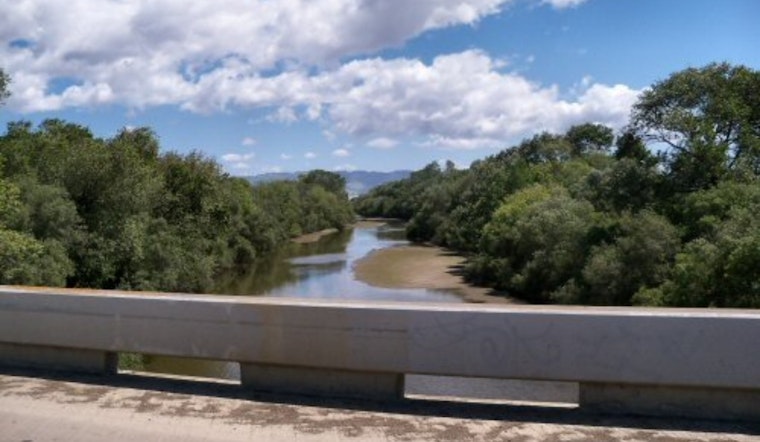
Two environmental groups have hauled Granite Rock Company into federal court, accusing the longtime owner of the A.R. Wilson quarry in Aromas of repeatedly flushing contaminated water into the Pajaro River and putting local fish and downstream habitat at risk. In a lawsuit filed on Wednesday, the groups are asking a judge to force the company to beef up its water storage, treat its runoff, or take other steps to stop polluted releases that plaintiffs say have carried metals, salts and heavy sediment toward Monterey Bay.
What the lawsuit says
The complaint by Environment California and the California Sportfishing Protection Alliance alleges more than 900 violations of water pollution standards over the past six years and describes repeated unlawful discharges from the A.R. Wilson quarry, according to reporting by The Mercury News. The suit claims the water released from the site carried aluminum, iron, molybdenum, elevated salts and heavy sediment that can harm steelhead and other species.
Plaintiffs also emphasize what happens downstream. The Pajaro River empties into the Monterey Bay National Marine Sanctuary, which is vulnerable to polluted freshwater flows, according to a California coastal factsheet. That connection gives a local quarry fight a much larger environmental backdrop.
Regulatory record and past fines
The quarry is no stranger to regulators. The Central Coast Regional Water Quality Control Board’s adopted orders show multiple settlement agreements and administrative civil liability orders involving Granite Rock Company in recent years, documenting enforcement efforts over discharges from its operations. That administrative trail is central to the plaintiffs’ argument that past oversight has not been enough to bring the site into full compliance.
Back-and-forth: plaintiffs and company
The lawsuit points to roughly 46 incidents that led to minimum mandatory penalties and says Granite Rock has paid about $138,000 in prior settlements, figures summarized by The Mercury News.
Granite Rock is pushing back hard. The company’s director of communications, Shanna Crigger, said Granite Rock "strongly disagrees with the allegations" and intends to defend itself in court.
The quarry and local context
The A.R. Wilson quarry is a long-running aggregate operation that supplies construction materials across the Bay Area. Local reporting and company materials describe a sprawling site of roughly 1,000 acres that has been active for more than a century. The pit itself drops more than 300 feet and sits just south of Highway 129, near Highway 101 at the point where Santa Clara, Santa Cruz and San Benito counties meet, a location the company lists on its own site.
Company information and local coverage also highlight Granite Rock’s on-site sustainability projects. A large solar array at the quarry provides the majority of the operation’s daytime electricity, a point the company has promoted even as its water practices now face legal scrutiny.
Legal implications
The lawsuit leans on the Clean Water Act’s citizen-suit provision, which lets private groups seek injunctions and civil penalties when they believe government enforcement is missing or not strong enough. Federal law and court precedent spell out notice requirements and other procedural rules for these cases, and judges typically consider whether alleged violations are ongoing and whether state or federal agencies are already pursuing related enforcement.
Section 505 of the Clean Water Act (33 U.S.C. § 1365) and Supreme Court decisions interpreting it shape how these disputes play out, including what citizen plaintiffs must show to keep a case in court. For background on that citizen-suit framework and key precedent, readers can look to the Supreme Court’s discussion of § 1365.
The case is now pending in federal court in San Jose. It could be months before motions, discovery and any settlement talks run their course. In the meantime, the lawsuit is putting fresh attention on how heavy industry along the Pajaro River fits into a landscape shared by farms, wildlife habitat and the nearshore waters that local residents and fisheries rely on.





