

























































Charlotte leaders are sharpening their tools for a fight with what one council member bluntly calls trap houses and problem properties that drag down already stressed neighborhoods. This week, city officials signaled they want a tougher approach toward landlords and certain businesses that allow drug activity, loitering and other recurring nuisances to fester.
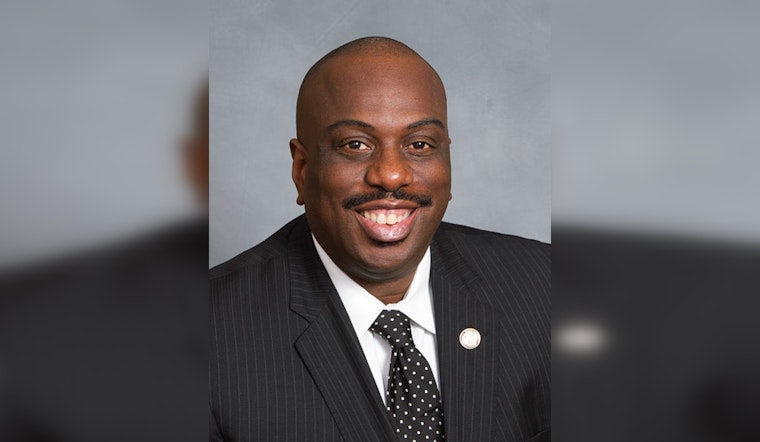
Council member Malcolm Graham said most members can point to repeat-offender properties in their districts and urged the city attorney and Charlotte-Mecklenburg police to start formally logging those bad actors. The idea is to target both the landlords behind chronically troubled homes and specific storefronts, such as vape shops and skill-game arcades, that often cluster along low-income corridors.
What officials are proposing
As reported by Axios, Graham said the first move would be for the city attorney's office to partner with Charlotte-Mecklenburg Police Department to build a clear track record of repeat problem properties, then take more assertive action against them.
He noted that in some situations, "sometimes just getting a letter from an attorney ... forces and changes behavior," and he pointed to past work along Catherine Simmons Avenue as a template for what more coordinated pressure can look like. Officials also floated zoning tweaks, including minimum-distance requirements from churches and daycares, to keep certain types of businesses out of corridors the city is trying to revitalize.
How enforcement has worked so far
Up to now, city staff have largely relied on the minimum housing code, fines and "in-rem" repairs to prod unsafe landlords to address violations. Council members have also batted around ideas for stiffer penalties and targeted case studies that could guide broader reforms.
WCCB reported that staff planned to gather community feedback and use notorious properties such as Lamplighter and Tanglewood as case studies for what is not working. According to City Council minutes, nuisance-property enforcement has been a recurring topic in formal meetings going back to March 24, 2025.
The Catherine Simmons example
Officials keep coming back to Catherine Simmons Avenue off Beatties Ford Road as a real-world example of what happens when the city leans in. There, a mix of code enforcement, policing and legal pressure has been used to push landlords to clean up or face consequences.
As reported by The Charlotte Observer, code enforcement found more than 660 housing, zoning and nuisance violations on that stretch since 2017, while residents described a grind of loitering, drug activity and gunfire. Council members say it is that repeated pattern of problems, not a one-off incident, that would trigger a more focused city response under the emerging approach.
What a crackdown could look like
Graham and other leaders have suggested pairing legal pressure on landlords with land-use changes that limit where certain businesses can operate. That could include zoning rules that keep vape shops and skill-game arcades a set distance away from churches and daycares.
Axios reported that officials are weighing attorney letters, detailed police logs and zoning changes as tools to, in Graham's words, "force and change behavior" among property owners. Any formal crackdown would still have to move through the usual process, including public hearings and City Council votes, before it becomes law.
Reaction from advocates and renters
Housing advocates say the tougher stance could help slow neighborhood decline if the city actually follows through, but they add a familiar asterisk. Enforcement tools only matter, they argue, if the city has the staff, funding and political will to back them up.
As WSOC reported, similar ideas have stalled in the past when staffing and money did not materialize, and some state-level rules have hamstrung local efforts such as landlord registration. Advocates also warn that if the city is not careful, new rules aimed at cracking down on nuisance businesses could unintentionally squeeze smaller, legitimate operators in neighborhoods that already struggle to attract investment.
What is next
For now, Graham's comments are more of a political flare than a finished ordinance. Staff still need to assemble data on problem properties and return to council with specific options.
According to existing City Council minutes, staff had already been asked to collect community feedback and briefing materials on nuisance enforcement, so much of the work is still happening behind the scenes. Residents can expect more detailed proposals and public debate in upcoming council briefings before any concrete changes land on the books.





