

























































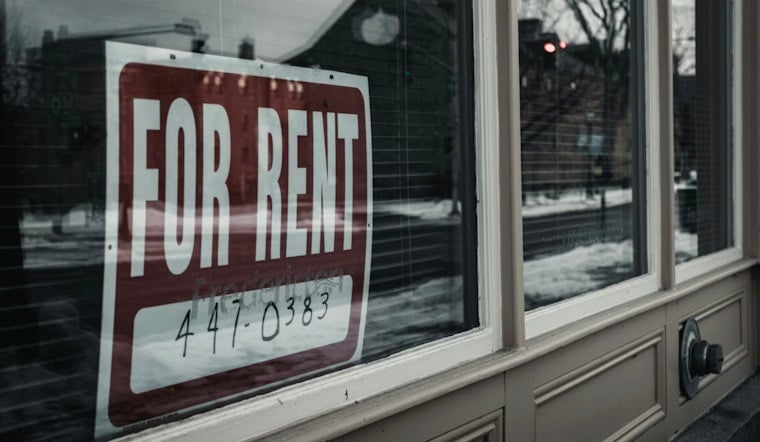
New York investors are quietly changing their game, steering money into Queens industrial and retail properties with room to grow instead of piling into rent-stabilized walkups. Optionality is the new obsession: buyers are willing to pay for air rights, empty storefronts, and covered-land plays they can rework down the line. The shift is already reshaping who shows up at the bidding table from Sunnyside to Rego Park.
In a column published April 27, 2026, Thomas Donovan highlighted one loud example. His Meridian team closed a nine-building, 34-unit, retail-heavy portfolio in December 2025 that came with nine vacancies and more than 400,000 square feet of unused air rights. The package drew more than 20 offers and ultimately went to a retail investor, according to the New York Real Estate Journal. Donovan points to the deal as proof that buyers are now pricing in flexibility alongside current cash flow.
Industrial Squeeze And Rising Rents
The industrial backdrop helps explain the enthusiasm. Asking rents across the city’s industrial stock pushed into the low-$30s per square foot in late 2024, with some pockets seeing even higher triple-net rates. The Real Deal reported average asking industrial rents around $30.39 per square foot, while Commercial Observer noted that availability has ticked up as new projects deliver and occupiers grow more cautious. In that kind of market, tight, well-located industrial and retail parcels start to look like prime chess pieces.
Why Buyers Prize Optionality
Investors now want multiple ways to win: short-term leases for immediate income, mid-term repositioning plays, and long-term redevelopment options. Donovan puts it bluntly, describing buyers as "targeting opportunities where they can reposition, redevelop, and drive returns into double digits," a phrase he uses for the borough’s appetite for flexible, value-add deals, according to the New York Real Estate Journal. Air rights, vacancies, and creditworthy tenants are being underwritten as pieces of a future business plan as much as sources of present income.
Neighborhood Stakes And Rent-Stabilized Headwinds
This pivot is unfolding while rent-stabilized multifamily remains under pressure, with many investors treating it as a tougher underwriting exercise than flexible commercial or covered-land acquisitions. Local reporting and pipeline data show Queens leading the city in proposed building square footage, a trend that fuels both investment interest and neighborhood debates about what comes next. Coverage of Queens leading the way in proposed development and broader industry reporting highlight the tension between redevelopment demand and community concerns over displacement and rising rents.
Donovan, who heads Meridian’s Queens investment sales platform out of One Battery Park Plaza, argues the market "may not be pretty" but says capital is still chasing deals where creative underwriting and repositioning are viable. Meridian Capital Group's profile notes his long track record in Queens, and his column signals that these optionality-driven trades are likely to keep surfacing through 2026.





