

























































In New York City, a modest pilot program using one-time cash infusions has quietly helped nearly 100 young people steer clear of the shelter system, according to early results. Organizers say the flexible grants averaged about $3,700 per participant and helped 98 young New Yorkers stabilize their housing, with most still housed a month after the money landed. Advocates argue that kind of targeted support for rent, deposits, and overdue utilities comes in far cheaper than a year in shelter.
What the numbers show
Participants received payments ranging from roughly $645 to $9,900, with recipients reporting that they used more than half the money on housing needs such as rent and utilities, and the rest on groceries, phones, transportation, and health care, as reported by Gothamist. Gothamist also found that 97% of New York participants who responded to follow-up checks were still in stable living situations 30 days after they received their payment. Organizers say those outcomes could translate into major savings when stacked against the cost of shelter stays.
How the pilot worked
Point Source Youth’s Targeted Housing Assistance Program is built around a one-time cash payment tied to a personalized housing action plan, with optional short-term help like housing navigation and financial coaching, according to Point Source Youth. Local providers screen young people, craft the plan, and then get the funds into their hands in whatever way makes the most sense, so participants can quickly deal with the most urgent threats to their housing.
Local partners saw quick results
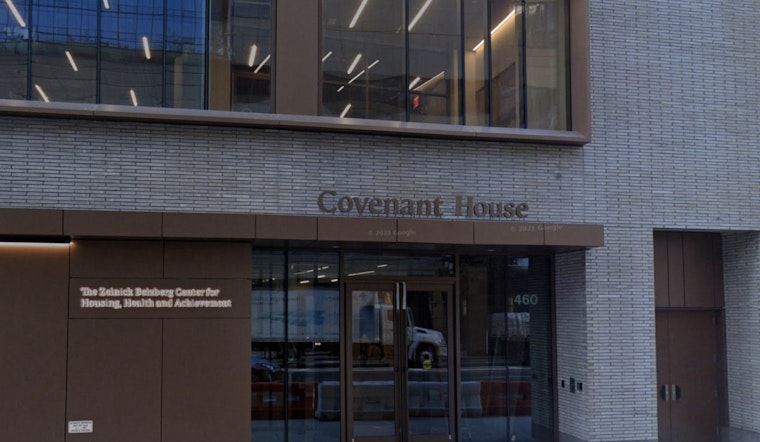
On the Lower East Side, Henry Street Settlement reports that it distributed funds to 46 young people, and that 97% of those recipients were safely housed after one month, with an average grant of roughly $3,534, according to Henry Street Settlement. The Door and other community groups handled the rest of the New York City distributions, pairing the cash with budgeting help and move-in support.
Independent evaluations back the experiment
Chapin Hall’s NYC Pathways Study found that 92% of young people enrolled in the cash-plus Trust Youth Initiative were stably housed six months after the program ended, compared with 75% of peers who received services as usual, according to Chapin Hall. Point Source Youth also cites a Johns Hopkins analysis of the seven-state pilot that reported roughly the same six-month housing outcomes, a result organizers say strengthens their pitch to scale the model across the country.
What participants said
Recipients told reporters that the cash stripped away some of the daily survival panic and made it possible to think beyond the next 24 hours. “Trying to view an apartment when you’re extremely hungry is not going to work,” one participant told Gothamist. Henry Street staffers described the payments in their materials as a short-term “leg up” that often stopped evictions before they happened or helped young people leave unsafe living situations.
Where it could go next
Backers are now using those early results to press for more public and philanthropic dollars so the cash-plus model can reach far more people. Organizers say they have already expanded pilots and convenings in other cities, as outlined in national announcements about the initiative. City policymakers will soon have to decide whether to commit funding to prevention programs that supporters argue are both cheaper and more effective than letting young people fall into the shelter system in the first place.





