

























































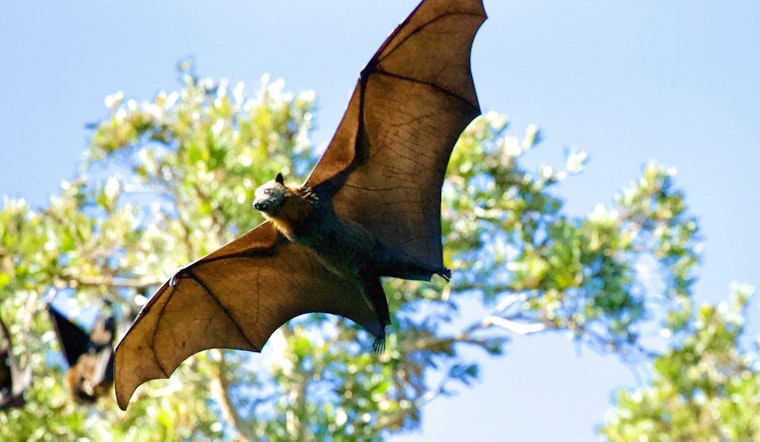
A bat collected from a Kirkwood home on April 16 later tested positive for rabies, according to St. Louis County public health officials. The county confirmed the lab result this week and reported that no one in the home had any known bites or other clear exposures. It is the first bat to test positive for rabies in St. Louis County this year, and health officials are reminding residents not to handle wild animals and to keep pets current on rabies vaccinations.
How the case was confirmed
St. Louis County animal-control officers removed the bat from the Kirkwood residence and sent it to a laboratory for testing, which came back positive, according to FOX 2. County communicable-disease staff then followed routine surveillance steps and alerted local partners once the positive result was confirmed.
What officials said
“A bat testing positive for rabies is a reminder to avoid contact with wildlife and to keep pets up to date on rabies vaccinations,” Dr. Kanika Cunningham, director of the St. Louis County Department of Public Health, said in a statement to FOX 2. She urged anyone who believes they or a pet may have been exposed to contact public health or their medical provider right away for an assessment.
Why rabies is treated seriously
The CDC notes that rabies is preventable but is almost always fatal once symptoms appear, which is why public-health agencies treat any possible exposure as urgent. Federal guidance explains that even a small or unnoticed bat bite, such as when a bat is discovered in a room where someone was sleeping, can be enough reason to seek postexposure evaluation and treatment.
If you find a bat
Public-health guidance advises against handling live bats and, whenever possible, recommends arranging testing instead of simply releasing the animal. State health officials recommend confining the bat to one room, keeping children and pets safely away, and contacting animal-control or public-health staff to coordinate testing and an exposure review. The Missouri Department of Health & Senior Services notes that quick action and consultation with health professionals can prevent human illness through timely postexposure prophylaxis.
Local risk and next steps
St. Louis County officials emphasized that most bats are healthy and only a small percentage show signs consistent with rabies. Even so, they urged residents to take special care when a bat turns up indoors. Anyone with concerns about potential exposure is encouraged to contact their medical provider or the county public health department to discuss an evaluation and possible postexposure vaccination.



