

























































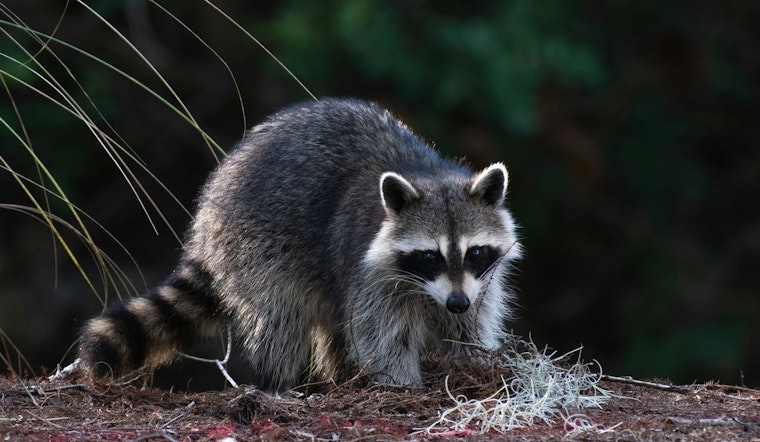
Two local animals have tested positive for rabies this week, putting parts of Chapel Hill and Hillsborough on alert and kicking Orange County’s public health response into gear. County officials say a raccoon was found on Saturday near Dixie Lane in Chapel Hill, and a cat was involved in an incident on Tuesday near Holiday Park Road in Hillsborough. Animal services and public health staff are now tracking down people and pets that may have been exposed, arranging testing, and lining up any needed follow-up care.
Orange County Animal Services received the positive test results, and the North Carolina State Laboratory of Public Health confirmed both cases, according to WRAL. The county’s release, cited by the station, noted that anyone with a possible exposure is being managed under standard rabies protocols.
How officials are responding
A communicable disease nurse with the Orange County Health Department is reviewing any potential human exposures and deciding whether post‑exposure prophylaxis (PEP) is recommended. Those calls are made one person at a time, based on details like the type of contact, the nature of any wounds, and the animal’s vaccination history, according to Orange County. On the animal side, county animal control officers are handling testing, quarantine and other follow-up for any pets that may have come into contact with the rabid animals.
What pet owners should do
For pets that may have been exposed, county guidance lays out strict rules. Dogs, cats and ferrets that are already current on rabies vaccination must receive a booster shot within 96 hours. Unvaccinated animals can face quarantine for up to four months or euthanasia, and ferrets that are not vaccinated may be quarantined for as long as six months under local rules. Officials urge owners to call their veterinarian or Animal Services right away if they suspect a possible exposure and to keep their animals away from wildlife until a professional can evaluate the situation, according to Orange County.
Rabies basics and testing
Rabies is a deadly viral disease that spreads through the saliva of infected animals, most often through bites and scratches. The CDC notes that prompt PEP can prevent illness in people who have been exposed and that keeping pets routinely vaccinated is a key layer of protection. In North Carolina, the State Laboratory of Public Health serves as the diagnostic lab that confirms animal rabies tests and alerts local health departments when there is a positive result, according to the N.C. State Laboratory of Public Health.
Where to get help
Orange County posts dates and locations for its low‑cost rabies vaccination clinics, along with guidance for pet owners, on its Animal Services website. Animal Control can be reached at 919‑942‑PETS (7387), and the Orange County Health Department is available at (919) 245‑2400 for anyone with exposure concerns. After hours, animal‑related emergencies should go through 911, according to Orange County Animal Services.





