

























































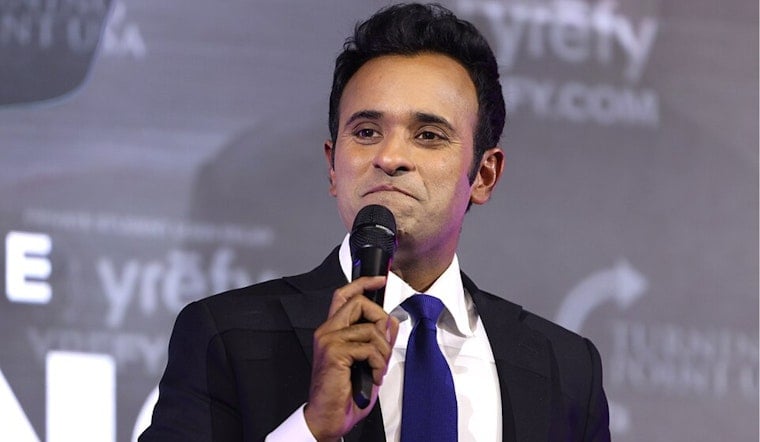
Vivek Ramaswamy’s call to “consolidate” Ohio’s public universities has landed like a brick on campus, triggering fast and fiery pushback from elected officials, university leaders and students who see the idea as a direct hit to local schools. The Republican gubernatorial hopeful argues Ohio has too many public universities and wants to fold some campuses into specialized “centers of excellence” to cut what he calls wasteful administrative duplication. Critics say that kind of overhaul could gut commuter campuses, squeeze working families and weaken historically Black institutions.
What Ramaswamy Proposed
Ramaswamy has been floating the concept in a short social media video and an op-ed, where he argues the state should pinpoint overlapping missions and “consolidate” lower-enrollment campuses into focused hubs while unifying back-office operations. His campaign insists the goal is to redirect any savings to students and sharpen each institution’s purpose. As reported by Ohio Capital Journal, his plan would give the state’s higher education chancellor the power to review institutions and deliver a concrete consolidation blueprint to lawmakers.
Pushback From State Leaders
Gov. Mike DeWine is not on board. He has said he does not support eliminating or consolidating any of Ohio’s public universities, arguing the state needs a network of campuses spread across regions so commuters can realistically attend. In his view, the focus should be on collaboration and efficiencies, not closing doors. Former Gov. John Kasich once explored trimming administrative costs, but current leaders are warning that sweeping restructuring could jolt local economies that rely heavily on university jobs and student spending. WOSU detailed DeWine’s comments and the early rumblings at the Statehouse.
Local Campus Reaction
On the ground in Cleveland and other college towns, the reaction has been blunt. Cleveland Municipal Court Judge Michael Nelson, a former Central State University trustee, warned that consolidating institutions would be unacceptable to Ohio’s Black community, given what is at stake for historically Black campuses. Students at Cleveland State University told reporters they are bracing for possible program cuts and campus downsizing if the merger talk turns into law. As reported by WOIO/Cleveland 19, several students said they were “not too thrilled” and openly worried about the future of specific majors.
Statewide Stakes And History
Ohio’s public higher education system covers 14 four-year public universities along with dozens of regional branches and community colleges, a sprawl that state auditors say demands hard data and long-term planning before anyone starts talking mergers. A 2022 performance audit for the Ohio Department of Higher Education highlights those 14 universities and flags rising online enrollment and tricky questions about how fully campuses are being used, all of which complicate any consolidation push. The idea of trimming administrative duplication is not new. It traces back at least to studies and task forces under earlier administrations in the mid-2010s, and policy analysts note that any large-scale restructuring would collide with legal, accreditation and community hurdles. See the Auditor of State and ODHE report and related coverage for broader context.
What Comes Next
Turning Ramaswamy’s concept into reality would take executive support, legislative approval and, almost certainly, expanded powers for the chancellor’s office. Any reorganization would roll out in phases and be intensely negotiated, with fights over accreditation, local jobs and how student services and majors would survive under a merged system. For now, university leaders, lawmakers and campus communities are waiting for more specifics, especially any bills that might give state officials new consolidation authority. As reported by Ohio Capital Journal, the proposal is already a front-running flashpoint in the governor’s race.





