

























































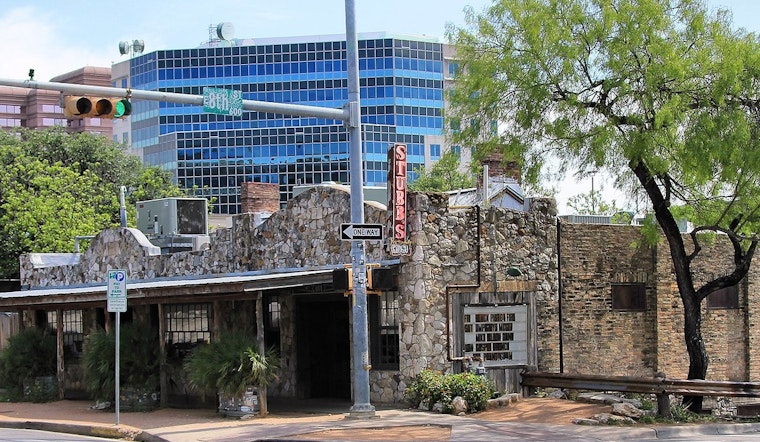
A new economic-impact study says Austin’s Red River Cultural District pumped more than $2.3 billion into the local economy over the past five years, with 2025 alone accounting for an estimated $529.9 million. The tightly packed strip of live-music venues, bars and festivals is credited with boosting payrolls, filling hotel rooms and moving tickets across downtown. District organizers say the numbers bolster their argument that City Hall needs to help keep small stages and local businesses alive.
According to Community Impact, the Red River Cultural District released its first economic-impact report with consultancy AngelouEconomics on April 2, estimating more than $2.3 billion in total impact from 2021 to 2025. The study estimates the district’s 2025 output at roughly $529.9 million and finds the area supported about 3,715 full-time-equivalent jobs while paying approximately $174 million in labor income. Community Impact also reports that festivals Free Week and Hot Summer Nights generated nearly $5 million last year and that RRCD plans to publish a five-year strategic plan on April 14.
Venues and festivals power the pipeline
District impact materials say the cultural district now includes more than 40 local businesses and a dense run of venues roughly between Fifth and 15th streets, a layout that helps keep shows going year-round. The RRCD reports that Free Week and Hot Summer Nights provided paid opportunities to more than 1,040 artists in 2025, while city presentation slides estimate Free Week alone drew about 14,000 attendees that year. Those crowds then spill into nearby restaurants, hotels and ride services, extending the district’s influence well beyond the stage doors. Red River Cultural District and the City of Austin Tourism Commission provide the figures.
Where the money landed in 2025
AngelouEconomics’ breakdown shows food and beverage activity accounting for about $130.8 million in 2025, transportation spending at roughly $64.1 million, and ticket sales near $61.3 million. The report also finds the district’s annual economic impact climbing from around $380 million in 2021 to nearly $530 million in 2025, a clear sign of a post-pandemic rebound. “The reality is that [Red River] is absolutely integral to the larger music and creative ecosystem here in Austin,” RRCD executive director Nicole Klepadlo told Community Impact.
Policy implications and preservation
City officials and district advocates say these numbers give them added leverage when they press for targeted funding and protections as downtown development accelerates. The Austin City Council first recognized Red River as a local cultural district in 2013, and the Texas Commission on the Arts granted it state cultural-district status in 2020, according to city records and district materials. Presentations to the Tourism Commission have argued for gap funding, insurance relief, and tools to preserve venue space, requests that supporters say the new report is designed to back up. The City of Austin and City Tourism Commission slides outline the designations and the policy asks.
What to watch next
The Red River Cultural District’s strategic-planning page says the upcoming five-year plan will be built from surveys, focus groups and data analysis and will include goals for programming, partnerships and placemaking. Venue operators and organizers will be watching to see whether that plan turns the report’s big numbers into specific commitments, from HOT-tax grants to property tools, that keep stages from being wiped out by redevelopment. If officials choose to match the report’s headline figures with funding or policy moves, Red River’s economic footprint could become a model for protecting other cultural corridors in Austin. The Red River Cultural District explains the planning process.





