

























































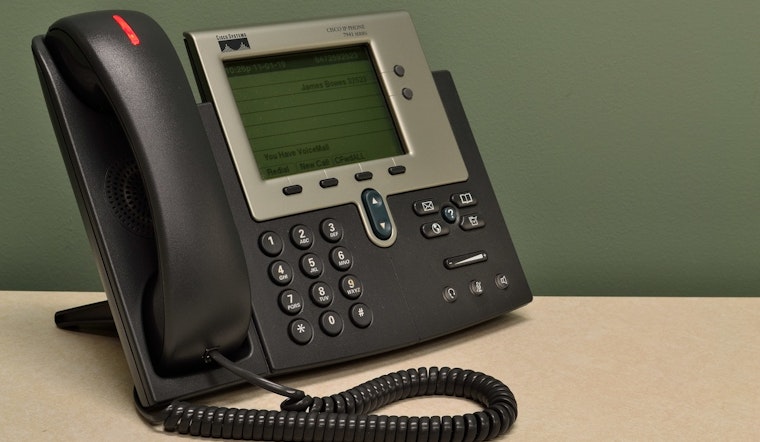
Call 311 in New Orleans later this year and the voice on the other end might not be human. City officials say some non-emergency calls will soon be routed to artificial intelligence as the Orleans Parish Communications District scrambles to cover persistent staffing gaps. The plan is to plug AI agents into parts of the NOLA‑311 workflow within months, letting software field routine information requests and help sort out crash hot spots so human operators can stay focused on emergencies. It builds on AI tools the district has already used on certain 911 calls since 2023, marking a notable shift in how the city handles public-service phone lines.
As reported by NOLA.com, the district has been testing an AI agent developed with vendor Carbyne and trained on the last three years of 311 calls, and officials say some AI agents will be answering 311 within months. According to that report, the system can group multiple callers reporting the same event and ask follow-up questions to help triage traffic crashes, and callers are not always explicitly told when they are speaking to a machine. District leaders told reporters the communications center is roughly 40% short of full staffing, a shortfall the AI is supposed to help cover.
How the AI will work
According to a news release on the Orleans Parish Communications District website, Carbyne's call-triage platform is built to detect call spikes and prioritize resources when lines light up. The vendor's tools can surface caller location data, offer live video links and provide transcription services to speed decisions for dispatchers while grouping duplicate or related reports. OPCD and its vendor say the technology is meant to support telecommunicators, not replace them, by cutting down on repeat calls and lowering hold times for people who need a human operator.
Experts Urge Caution
Tulane University researchers who study community-engaged AI say systems like this may offer real promise, but they also raise governance and equity questions if rolled out without clear oversight. Faculty involved with Tulane's work on AI ethics and community engagement emphasize the need for transparency, testing and public input before automated decision-making spreads across emergency and non-emergency phone lines. Those scholars warn that local experiments should be backed up by clear policies spelling out when humans must make final decisions.
Policy and Oversight
At the federal level, guidance is just starting to take shape. The National Telecommunications and Information Administration outlines both the operational upside of AI-based triage and the need for safeguards, training and evaluation as jurisdictions adopt these tools. NTIA materials note that early adopters have reported efficiency gains from automated triage, geofencing and translation technology, but they stress that human oversight and robust testing are essential. The federal framing largely leaves local policy questions, such as caller notice, data retention and auditing, to cities and their communications districts.
What Callers Should Know
If you are facing an emergency, officials say you should still call 911. The AI system is aimed at non-emergency, informational traffic on 311. City leaders maintain that callers who require help will be routed to a human operator and that the AI is intended to speed answers for routine issues like potholes, trash pickup and traffic complaints. At the same time, researchers and advocates say residents should get clear notice about when automation is in use and what happens to call data once it is collected.
The district is pitching the move as a way to stretch a thin workforce while improving reliability across millions of calls a year, but it has not put a public launch date on the calendar. Residents who want to track how the pilot turns into live service are being told to follow official OPCD channels for updates as the rollout continues.





