

























































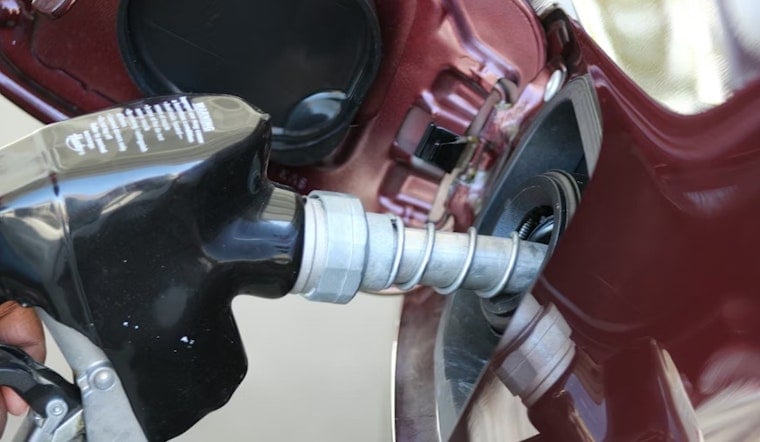
As California drivers winced at soaring prices in mid-March and April, the state's quick fix came from a politically awkward place: a surge of imported gasoline that shipping records trace back to Russian crude. The fuel showed up after refinery problems in the Bay Area and Los Angeles and helped head off what could have been a much nastier statewide shortage. It also poured fresh gasoline on a heated debate in Sacramento over whether these imports square with California's climate ambitions and national security concerns.
Record Imports Helped Steady The Market
A market update from the California Energy Commission's Division of Petroleum Market Oversight found that between February and May 2025, California pulled in about 18 million barrels of gasoline and blending components, with imports peaking at roughly 5.7 million barrels in March. Those barrels helped keep a full-blown retail price spike at bay. According to the California Energy Commission, elevated import levels helped hold wholesale and retail prices steadier than they otherwise would have been, even as in-state supply was disrupted.
Where The Gasoline Actually Came From
An investigation by Capital & Main reported that much of the imported gasoline was refined in countries such as India using Russian crude, a workaround analysts have dubbed a "refining loophole." Shipping analytics cited in that reporting tallied more than 9 million barrels flowing through that route in 2025 and showed several tankers from the massive Jamnagar refining complex docking at California terminals last year.
A U.S. Waiver Opened The Spigot
In mid-March, the U.S. Treasury Department issued a temporary general license that relaxed sanctions on certain Russian oil that was already at sea, then extended that relief last Friday, according to the Associated Press. Traders say the waiver, meant to keep global markets supplied as the war involving Iran disrupted shipments, made it easier for overseas refiners and traders to process that crude and ship more finished fuel into U.S. markets, including California.
Refineries Go Down, Imports Step In
The import surge followed a rough stretch for local refineries. PBF Energy's Martinez refinery was damaged by a fire on Feb. 1, 2025, and stayed partly offline for months, the company told investors, according to PBF Energy. Phillips 66 had already begun winding down crude processing at its Los Angeles complex late last year, as reported by the Los Angeles Times. And Valero told regulators it would idle most processing at its Benicia refinery by April 2026 and planned to import product to meet local contracts, according to CBS Bay Area.
Why Extra Barrels Did Not Mean Relief Everywhere
Despite the steady stream of cargoes, drivers still felt a sting at the pump. Capital & Main noted that last Wednesday, the statewide average price was roughly 30 cents higher than a month earlier. State oversight work and public presentations have cautioned that short-term price run-ups signal scarcity and tend to attract imports, which can stabilize supply but do not erase the original supply shock for consumers.
Policy Choices On The Table
Lawmakers and regulators now face some uncomfortable decisions. Senate Bill X1-2 handed the Energy Commission new market-oversight authority, but the agency has said it is still collecting data and has not yet put minimum inventory rules in place that could cushion future disruptions, according to the Division of Petroleum Market Oversight. Whether Sacramento opts to mandate stockpiles, put guardrails on certain trading practices, or continue to lean heavily on imports will go a long way toward deciding how often Californians get whiplash at the pump.
What to watch next: whether the Treasury Department extends its sanctions waiver beyond the April renewal, whether buyers step up to support idled plants such as Benicia, and whether the Energy Commission moves to require inventories that could blunt the next supply shock. The renewal was reported by the Associated Press, while local outlets have tracked the fate of California refineries and the state's evolving response.





