

























































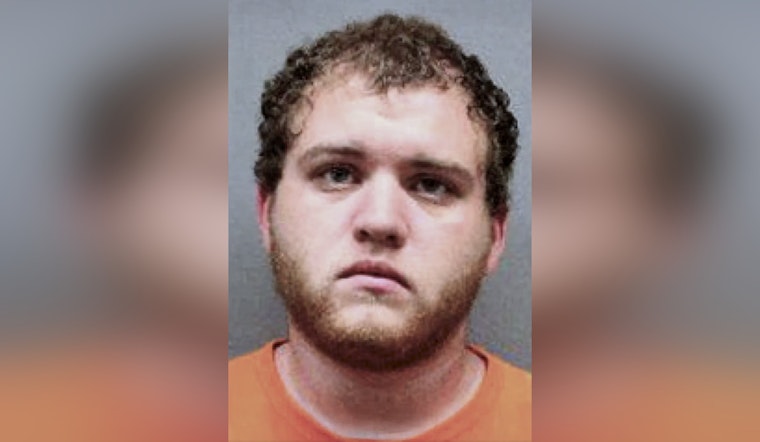
The U.S. Attorney’s Office for the Western District of Texas is leaning on a Department of Homeland Security public awareness campaign to remind families that the internet can be a hunting ground as much as a hangout. In a recent post, the office highlighted the Kendall Carter case, pointing to the 30-year federal sentence he is serving after exploiting more than a dozen teens and children. Prosecutors presented the case as a clear example of how offenders use fake profiles to groom, coerce and extort young people.
Not everyone online is who they say they are. 🚨
— U.S. Attorney WDTX (@USAO_WDTX) April 23, 2026
Kendall Carter is serving 30 years in federal prison for victimizing more than a dozen teens and children.
His case from @DHSgov’s national public awareness campaign, @Know2Protect, is a powerful reminder: Offenders often use… pic.twitter.com/2rN0hSn3xp
U.S. attorney amplifies DHS warning
On April 23, the U.S. Attorney’s Office for the Western District of Texas shared the DHS Know2Protect message on X, using the Kendall Carter case to drive home how predators can spin up fake accounts and quietly target minors. The post, titled “Not everyone online is who they say they are,” pointed followers toward federal resources and the Carter prosecution for context. See U.S. Attorney WDTX on X for the original share.
What the underlying prosecution showed
The Kendall Carter example comes from a federal case in Middle Tennessee, where prosecutors say he used several online aliases to befriend underage girls, trade explicit images, and then threaten to expose victims unless they sent more material. According to the U.S. Attorney’s Office in Nashville, Carter pleaded guilty in 2017 and received a 30-year sentence in December 2018. For the court record and timeline, see the U.S. Attorney’s Office press release.
Know2Protect tools for parents and educators
DHS’s Know2Protect campaign includes free printable guides and classroom modules aimed at parents, teachers and other trusted adults who want help spotting deceptive accounts. The campaign’s “Tips2Identify: Fake Profiles” sheet outlines common red flags such as blurred or overly polished photos, thin or incomplete bios, inconsistent posting patterns and quick requests for personal information, so families can recognize fake accounts before a situation escalates. View the campaign’s guidance at the DHS Know2Protect resource on fake profiles.
Practical steps if you are worried
Basic habits can go a long way: keeping devices in shared spaces, requiring a live video chat before any in-person meetup, and saving screenshots of suspicious messages so evidence is not lost. If you suspect online sexual exploitation, report it to the National Center for Missing & Exploited Children CyberTipline; the Know2Protect tipline (1-833-591-KNOW) can also connect families with local investigators and support resources. Law enforcement and victim advocacy groups note that early reporting helps preserve evidence and protect potential victims.
Local prosecutors say using a concrete case alongside prevention tools makes the risk feel real and gives parents specific steps to lower it. The Western District’s decision to boost the Know2Protect materials is a reminder that education, documentation and timely reporting are central pieces of preventing online exploitation.





