

























































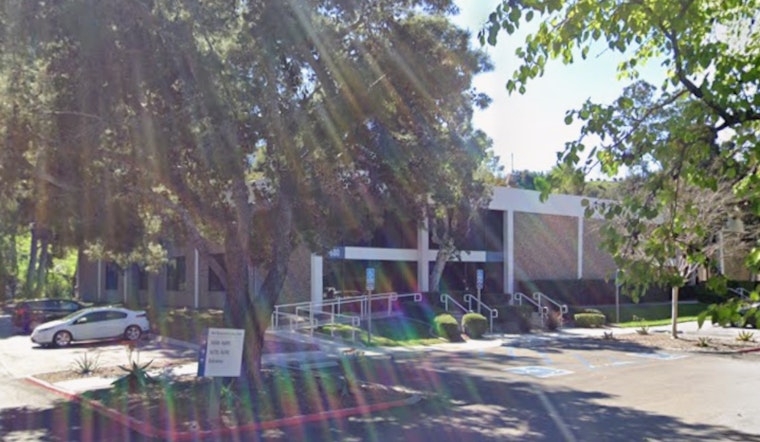
Fresh off its Nasdaq debut, Rancho Bernardo-based Solv Energy is telling Wall Street it is built for a power boom. The utility-scale solar and battery contractor says a bulging backlog and relatively quick build times leave the San Diego company well positioned to turn rising U.S. electricity demand into revenue as federal tax rules shorten the timeline for new projects.
Solv priced its initial public offering at $25 a share and, after underwriters exercised their option, sold roughly 23.6 million Class A shares, with trading beginning Feb. 11 on the Nasdaq under the ticker MWH, according to the company's SEC filing. That filing shows the offering raised about $589 million before fees and set the public terms investors saw when the stock opened.
Investors responded with an opening day pop. Shares rose roughly 20% in their debut, valuing Solv at about $6 billion, Reuters reported. The early jump highlighted renewed interest in companies that build and maintain large-scale solar and battery assets for the grid.
The company says it has built more than 500 utility-scale solar and battery plants and provides operations and maintenance for more than 20 gigawatts of capacity. It finished 2025 with about an $8 billion backlog and used a portion of the IPO proceeds to pay down debt and bolster working capital for a heavy construction pipeline, according to its March earnings presentation and related investor release.
Solv lists roughly 2,600 employees on its website and keeps its headquarters in Rancho Bernardo. In an interview with The San Diego Union-Tribune, CEO George Hershman said, "We’ve never seen that kind of energy demand in the U.S.," and added that a company like Solv is well positioned to provide that generation and service.
Demand Is Accelerating
Industry forecasts help explain the confidence. Consultancy ICF projects U.S. electricity demand could grow on the order of 25% by 2030 as electrification, data centers, and reshoring of manufacturing add a sustained new load. That outlook is one reason utilities and developers, along with their contractors, are planning for much higher build rates in the years ahead, the firm notes.
Battery Durations And The Push For Longer Storage
Most grid batteries today are designed to discharge for about four hours, a setup that lines up with daily solar cycles and many existing market rules. Long-duration storage is drawing more attention, however, as planners model longer events and winter peaking demand patterns. The National Renewable Energy Laboratory says batteries that last longer than four hours could play a growing role in grid resilience and decarbonization. NREL notes that market structures and technology progress will determine how quickly that shift takes hold.
Tax Clock For Builders
Federal tax policy is also turning into a stopwatch for project developers. The One Big Beautiful Bill accelerated deadlines for wind and solar credits, with an exception for projects that begin construction within 12 months of the law’s enactment. That effectively creates a July 4 begin construction cutoff for the older timeline and allows some projects that meet the safe harbor to be placed in service as late as about 2030, legal analysts say. That provision has already pushed many developers to speed up procurement and construction planning, according to guidance from tax and energy law advisers at firms such as Sidley Austin.
Solv’s Pitch: Speed And Scale
In that environment, Solv is selling speed as a key part of its story. The company tells investors it can take a solar-plus-storage plant from construction start to delivering megawatt-hours to the grid in a matter of months. Management has estimated typical deployment windows at about 12 to 18 months, a schedule that can be critical for both revenue recognition and tax credit eligibility.
Solv argues that a combination of nationwide field crews, a large operations and maintenance footprint, and a multi-gigawatt backlog gives it an advantage in meeting the compressed schedules utilities and developers now face.
For San Diego, the company’s growth push translates into more skilled construction and operations work anchored locally, even as most of the projects themselves are spread across the country. Investors and industry insiders will be watching to see whether Solv’s promised speed and scale translate into the steady margins the market now expects from a newly public player.





