

























































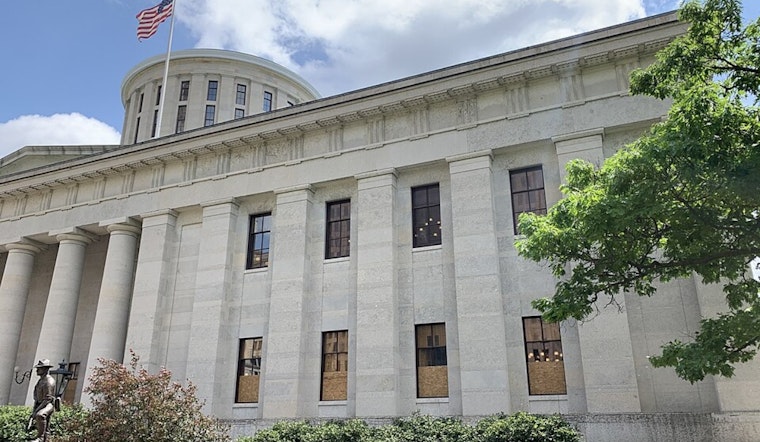
Ohio lawmakers are taking a hard look at the state’s fast-growing sports betting scene, rolling out the Save Ohio Sports Act on Wednesday at the Statehouse in Columbus. The proposal, sponsored by Reps. Gary Click, Riordan McClain and Johnathan Newman, is a two-part package that tries to cool down the always-on wagering market by pairing tighter consumer protections with new integrity rules that would ban certain types of bets.
The consumer-and-integrity split is meant to answer rising worries about both public health and fair play. Supporters framed the bill against Ohio’s relatively recent move into legal sports wagering, as reported by Cleveland 19. The state’s legal betting market went live statewide on Jan. 1, 2023, according to AP News.
What the bill would do
On the consumer side, the act would clamp down on how people fund and place bets, and it would cap both individual wagers and daily betting activity in an effort to slow impulsive play. A press release from the Center for Christian Virtue outlines key provisions: no using debt instruments like debit cards to wager, a limit on the number of bets a person can place in a 24-hour period, and a requirement that bets be placed in person at Ohio’s licensed casinos. Certain in-play, parlay and proposition markets would be outlawed entirely. Supporters argue those limits are meant to reduce harm without shutting down lawful wagering altogether.
"We don't have a [Narcan] spray for problem gambling," Dr. Chris Tuell, clinical director of addiction services at the Lindner Center of Hope, warned at the Statehouse, according to Cleveland 19. Public-health researchers note that gambling disorder shares features, such as craving and withdrawal, with substance addictions, and the National Institute on Drug Abuse has flagged how always-available mobile betting can amplify those risks.
Sports integrity and the Guardians case
The act’s integrity provisions focus on proposition bets, the micro-wagers on single plays that backers say are especially vulnerable to manipulation. Lawmakers pointed to the Major League Baseball investigation that placed Cleveland Guardians pitchers Emmanuel Clase and Luis Ortiz on non-disciplinary paid leave as an example of the potential pitfalls. Reporting from ESPN details the federal indictment and MLB’s response. Gov. Mike DeWine last year urged regulators to strip prop markets from Ohio’s offerings, calling the prop-bet "experiment" a failure, according to the Statehouse News Bureau.
Next steps and politics
From here, the bill faces the usual Statehouse gauntlet. It must clear committee, win backing in both the Ohio House and Senate, and then land on the governor’s desk before it can become law. The Center for Christian Virtue and several addiction- and youth-safety organizations voiced support at the Statehouse rollout, while sportsbook operators and industry trade groups are expected to push back against restrictions that would sharply curtail remote wagering, as noted in the Center for Christian Virtue release.
Whether lawmakers can turn their public-health and integrity talking points into rules that hold up against heavy industry lobbying is the test ahead. Expect crowded hearings, plenty of backroom persuasion and a high-stakes debate over just how much convenience Ohio is willing to sacrifice in the era of mobile sports betting.




