

























































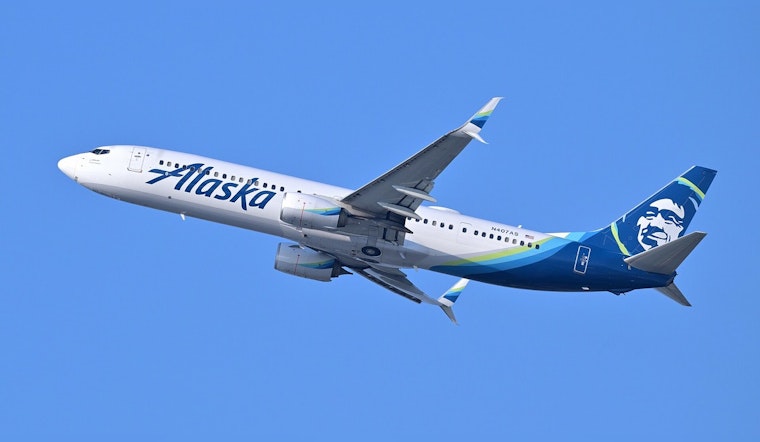
At Seattle-Tacoma International Airport this spring break, the first jolt is hitting long before takeoff. With airlines cranking up the cost of checked luggage, travelers are suddenly doing suitcase math at the ticket counter and in the check-in line.
Alaska Airlines, Sea-Tac’s hometown carrier, is front and center in the change. The higher fees are forcing some families to decide whether that extra suitcase is really worth it. “I doubt that they’ll reduce the price of bag-checks, once they go up, they never reduce them,” said Kelly Hill, a passenger headed to Victoria, summing up a skepticism plenty of flyers share.
What Changed At Sea-Tac
Ahead of the summer booking rush, Alaska Airlines is rolling out a new fee structure for checked bags on North American flights. For tickets booked on or after April 10, the airline will charge $45 for a first checked bag, $55 for a second and $200 for a third.
The carrier says certain customers will still be shielded from the full hit. Atmos Rewards members, eligible credit card holders and some elite-status flyers will continue to receive checked-bag benefits, according to KTUU/Alaska's News Source.
Other Carriers Follow
Alaska is hardly alone. JetBlue moved first, rolling out a peak and off-peak bag pricing system that opened the door for competitors. United and Delta have since raised first- and second-bag charges by about $10, and on many routes third-bag fees have climbed toward $200, according to AP News.
The result is an industry-wide reset that makes it tougher for travelers to predict what the true cost of a trip will be until they get deep into the booking process.
Why Airlines Say They're Raising Fees
Airlines are pointing a finger squarely at fuel costs. Jet fuel prices have jumped sharply after fighting in the Middle East disrupted shipping through the Strait of Hormuz, with industry monitors showing jet fuel around $209 a barrel in early April and tightening already thin margins, according to the Spokesman-Review.
Executives say the spike has added hundreds of millions of dollars to carriers’ costs, a hole many airlines are trying to plug with so-called ancillary fees rather than broad fare hikes, as noted by Forbes.
How Local Travelers Are Handling It
At Sea-Tac, some travelers are not canceling trips, they are reshuffling budgets. That can mean fewer restaurant splurges, tighter hotel choices or fewer bags for the family.
Heidi McQuay, traveling with a five-person family, told KIRO 7 that her crew plans ahead. They “budget in advance, stick to our budget, and use those credit card miles,” she said, treating bag fees as one more line item to manage.
Travel advisers note there are still a few ways to blunt the sting. Prepaying bags online can shave a few dollars off the fee, and co-branded airline credit cards or elite status still preserve free-bag perks for many customers, according to AP News.
What To Watch
For now, industry watchers expect carriers to keep tweaking bag fees and other add-ons as summer demand and fuel markets shift. That means travelers may want to read fare rules and loyalty program benefits closely before they click “buy,” and weigh whether a carry-on, a prepaid bag or a new credit card perk actually saves more.
Airlines say the new bag charges apply only to tickets purchased on or after each carrier’s published effective dates. Flyers who booked before the changes took effect are expected to keep the original baggage terms tied to their tickets.





