

























































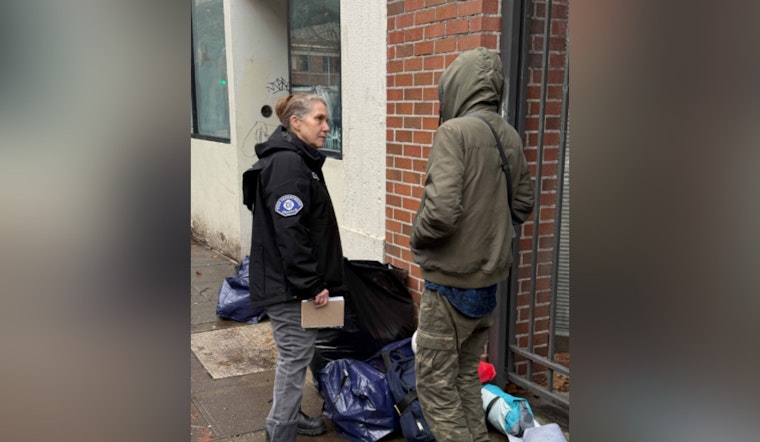
Seattle Fire is putting its Health One teams on the clock all week long. On April 6, 2026, the department announced that its mobile Health One units, which previously ran only on weekdays, will now operate seven days a week. The expanded schedule is meant to boost non-emergency medical, behavioral health, and shelter-referral response, while freeing up traditional emergency crews for higher-acuity calls.
According to the Seattle Fire Department, Health One teams handled almost 2,400 requests in 2025, and that growing demand is driving the shift to seven-day coverage. The department describes the change as a capacity and access move, meant to create more time for case management and follow-up so crews can connect more people with care and housing partners. The social post was also the first public notice of the operational change this week.
How Health One works
Health One launched in 2019 as Seattle Fire’s Mobile Integrated Health response unit. Each team pairs firefighter/EMTs with case managers from the Seattle Human Services Department to respond to low-acuity calls, provide on-scene care, and link people with social services. As outlined on the Seattle Fire Department’s Seattle Fire Department site, Health One units use specially equipped outreach vehicles that can transport clients, carry supplies, and focus on behavioral health, shelter, and other social-service needs.
The department’s 2025 MIH Program Report sets out a plan for Health One to move to a seven-day-a-week model as staffing and follow-up resources grow. That same report frames the expansion as part of a broader build-out of post-overdose outreach and casework capacity (Seattle Fire Department).
City funding and rollout
The scale-up is backed by money in the city’s 2026 budget. The Seattle City Council’s budget summary for 2026 folds in new funding to expand Health One and related post-overdose teams. According to the council’s overview, roughly $572,000 is earmarked to grow Health One and bolster outreach capacity. City leaders and Seattle Fire planners say that funding will be used to add unit capacity and casework resources as the program ramps up.
Builds on other overdose and outreach work
The seven-day schedule builds on Seattle Fire’s recent investments in post-overdose outreach and prehospital treatment. Those efforts include Health 99, the department’s post-overdose response team, and a buprenorphine pilot that allows trained Seattle Fire crews to offer medication in the field. As reported by Fire Line, these programs have increased the department’s ability to engage overdose survivors and connect them with treatment and recovery services. Officials say a seven-day Health One model should make follow-up and warm hand-offs to treatment partners more consistent.
How people get help
Health One is dispatched through the city’s 9-1-1 system, not a separate public hotline. Units typically concentrate outreach in downtown and nearby neighborhoods, while remaining available citywide when needed. Seattle Fire says the seven-day expansion will roll out in phases as new staff, supervisors, and case managers are hired and additional vehicles are put into service.
The department did not provide a single citywide activation date in its public post, but noted that the transition follows timelines and plans already laid out in program documents.
Seattle’s move to full-week Health One coverage is part of a broader shift in U.S. cities toward specialized medical and behavioral-health response teams. Department leaders say the added availability should cut down on unnecessary emergency transports and help more Seattle residents connect with longer-term care and housing services.


