

























































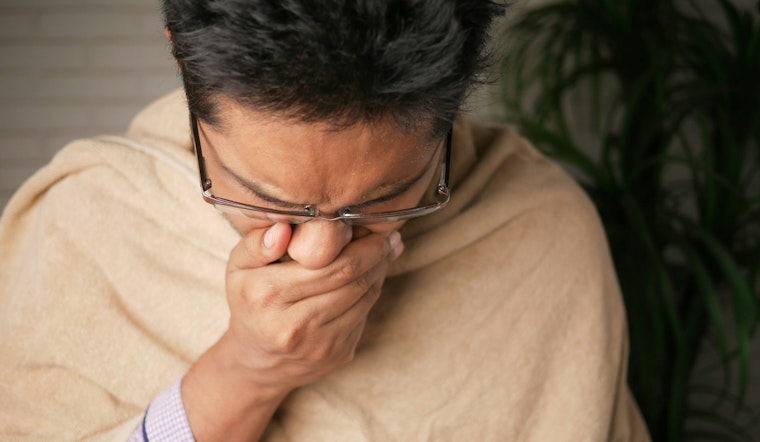
Seattle’s allergy season is not just in your head. Locals are sniffling earlier in the year and staying stuffed up well into what used to be the safe zone. Tree pollen is showing up weeks ahead of schedule, and a second wave of grass and weed pollen is hanging around for months. Clinicians and public health officials largely point to a simple culprit: longer frost free periods combined with rising CO₂.
How The Data Stacks Up
National numbers back up what Seattleites are feeling. A broad analysis of climate records shows the freeze free growing season - a climate proxy researchers use for pollen timing - has lengthened across most U.S. cities. According to Climate Central, the freeze free season has grown by about 21 days on average in 173 of 198 cities since 1970, with the Northwest leading the pack at roughly a 31 day increase. Those extra frost free weeks give plants more time to leaf out and release allergenic pollen.
Local Numbers And State Response
Zoom in on Washington and the picture gets even more personal. Seattle’s freeze free season has lengthened by roughly 12 days and inland Spokane by about 33 days, Axios reported using Climate Central data. According to the Washington State Department of Health, pollen season in the state now kicks off about 20 days earlier and lasts nearly a month longer than it did three decades ago. To keep up, the agency is piloting an 11 monitor pollen network, with data slated to be available through the PollenWise app. Officials say more precise, localized monitoring should help doctors, schools and residents brace for high pollen days instead of getting blindsided.
Science On The Cause
Researchers have tied these shifting pollen calendars to human caused warming and altered growing conditions. A 2021 review of long term pollen records, summarized by Carbon Brief while reporting on research in the Proceedings of the National Academy of Sciences, found that warming has already moved pollen seasons earlier and made them longer in parts of North America. Climate Central also notes that higher atmospheric CO₂ and milder winters can boost pollen production, so a longer season can double as a more intense one for people with allergies.
What Doctors Recommend
Local allergists say the game plan is not glamorous, but it is pretty clear: assume a longer season and start treatment early. The Northwest Asthma & Allergy Center posts daily pollen counts for Seattle online, and clinicians there advise starting preventive medication in advance of peak weeks, keeping windows shut on high count days and using HEPA filtration indoors. The Asthma and Allergy Foundation of America estimates that seasonal allergies hit roughly one in four adults and one in five children, which means stretching and intensifying the season is not just an inconvenience, it is a broader public health headache.
Looking ahead, researchers warn that ragweed, a particularly potent fall allergen, “may eventually gain a foothold” in western Washington, a shift local experts flagged in reporting by The Seattle Times. Cutting heat trapping emissions and scaling up monitoring are the long term fixes experts point to. In the meantime, Seattleites should probably plan on stocking a few extra tissue boxes and getting a jump on those antihistamines.


