

























































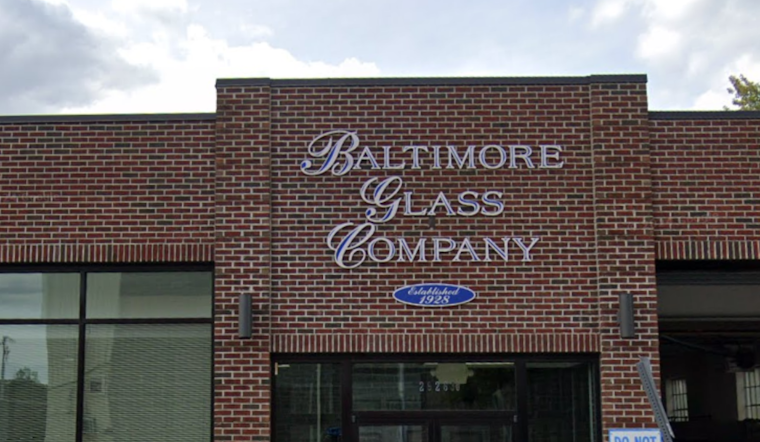
Baltimore developer Seawall has inked a contract to buy the longtime Remington headquarters of Baltimore Glass Co., adding another key corner to its growing footprint in the neighborhood. The deal slots neatly into a decade of projects that have turned old industrial stretches of Remington Avenue into mixed-use buildings, food halls, and small retail. It also puts a familiar neighborhood tension back in the spotlight: how to keep legacy businesses rooted while the real estate around them keeps changing.
Deal reported by Baltimore Business Journal
According to the Baltimore Business Journal, Seawall has signed a contract to acquire the Baltimore Glass Co. headquarters in Remington. The outlet describes the move as the latest piece in Seawall’s growing assemblage of properties in north Baltimore.
Seawall’s footprint and strategy in Remington
Seawall has spent years buying and remaking properties along Remington Avenue, including high-profile projects like Remington Row and the R. House food hall. On its own site, Seawall outlines a strategy of working with neighborhood groups and relocating some operations so older industrial buildings can be reincorporated into new retail, office, and housing. The approach relies on assembling adjacent properties and reusing structures where it can, which helps explain why the company keeps tightening its grip on the area.
Longstanding company and local stakes
Baltimore Glass Co. dates back to 1928, according to its Better Business Bureau profile, and still operates as a small, family-run glazing shop with local employees. Local coverage notes that Seawall previously moved the business two blocks to 2930 Remington Ave. to clear space for Remington Row, a compromise that kept the company in the neighborhood while freeing up land for redevelopment. That history has residents and community groups paying close attention to how Seawall stewards the newly acquired site.
What comes next
Seawall’s purchases often tee up larger mixed-use projects, and city planning documents show the firm is already in design review for nearby developments that combine housing, office, and retail. According to Baltimore City Planning records, proposals in the Sisson/29th corridor are still under review, with advisory panels and the public getting chances to weigh in. For now, the contract on the Baltimore Glass Co. building marks one more step in Remington’s evolution, and it raises some familiar questions about preservation, reuse, and how longtime neighborhood businesses fit into the next chapter.





