

























































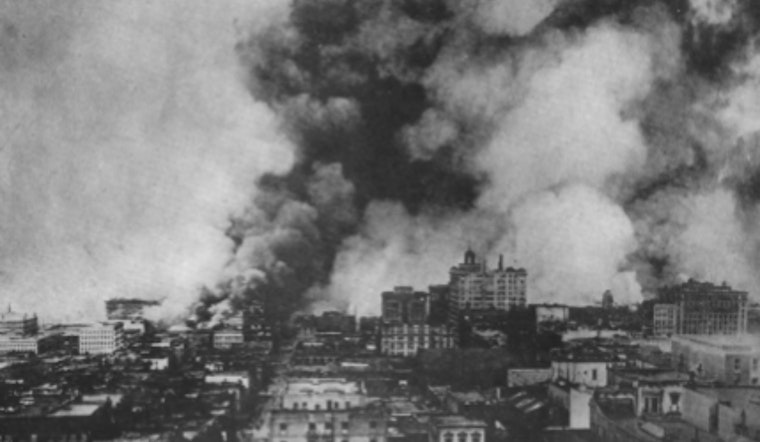
Today, the 120th anniversary of the 1906 earthquake, San Francisco officials used the solemn milestone to spotlight a fresh push to find and assess older concrete buildings they say could fail in a major quake. City leaders framed the effort as part of more than a century of work to harden emergency systems, retrofit vulnerable housing, and expand firefighting water supplies. The announcement said the city has launched a screening program to flag at‑risk concrete and tilt‑up buildings and to steer owners toward retrofit financing.
What the new screening will look for
The screening is part of a Concrete Building Safety Program meant to zero in on two types of risky structures: non‑ductile concrete buildings and rigid‑wall, flexible‑diaphragm tilt‑ups. As detailed by One San Francisco, those building types are often tough to spot from the sidewalk and typically need a structural inspection before anyone can say whether a retrofit is necessary.
Why older concrete worries engineers
Seismic research and the city's resilience strategy note that older concrete frames can fail in a brittle way, which can magnify damage and slow recovery. The city's plan cites technical estimates that put potentially vulnerable non‑ductile concrete buildings in the low thousands, a stock that includes affordable housing and neighborhood‑serving businesses.
Already in the toolkit: retrofits and water supplies
Officials say the new screening builds on long‑running retrofit work and investments to modernize the city's firefighting infrastructure. The SFPUC has documented upgrades and expansion work on the Auxiliary/Emergency Firefighting Water System to help ensure high‑pressure water is available after a major quake, and the Department of Building Inspection's San Francisco Department of Building Inspection Soft Story program has identified thousands of wood‑frame buildings for screening and retrofit.
What property owners should expect
City officials say DBI will contact owners of buildings the screening flags, and the Office of Resilience is finalizing a Financing Guide intended to help owners weigh retrofit options and funding pathways this spring. As outlined on the One San Francisco Concrete Building Safety Program page, screening typically starts with a form completed by a licensed design professional or an initial inspection before any permit or construction work is required.
Local context
The push builds on steps Mayor London Breed ordered in 2024; see Breed's 2024 initiative on vulnerable buildings for earlier coverage and background. City leaders say the screening aims to protect life, preserve housing, and speed recovery so neighborhoods can bounce back faster after the next major quake, per Hoodline.





