

























































San Francisco Federal Reserve President Mary Daly is warning that the oil shock tied to the Iran war is likely to drag out the timeline for getting inflation back to the Fed’s 2% target, and that interest rates could stay put longer if energy disruptions keep consumer prices running hot. She argues that current monetary policy is already tight enough to lean against inflation without knocking the labor market off balance. All of this is unfolding against a backdrop of sharply higher fuel costs and renewed market jitters over when, or even whether, rate cuts will arrive. For Bay Area residents, that could mean a longer stretch of steeper borrowing costs for homeowners and local businesses trying to plan their next move.
Why Daly Says the Oil Shock Is a Big Deal
Speaking with Reuters, Daly said the surge in energy prices triggered by the Iran conflict "extends the timeline" for returning inflation to the Fed’s 2% goal. She added that, for now, she sees a lower probability of a near-term interest rate hike than of simply holding steady or cutting rates later on. A rate cut could come back into play, she told Reuters, if the conflict eases quickly and oil prices retreat, but the real story will depend on how long the oil shock sticks around.
Where Fed Policy Sits Right Now
For the moment, the Federal Open Market Committee is keeping the federal funds rate in a 3.50%–3.75% target range while it sifts through incoming data and monitors global risks. In its March policy statement, the Federal Reserve underscored that the economic fallout from developments in the Middle East is still uncertain, leaving officials cautious about making any sudden policy moves.
How the Oil Shock Hits Households First
The oil story shows up fastest at the gas station. The U.S. Energy Information Administration expects the national average retail gasoline price to climb to around $4.30 per gallon in April, a bump that could give headline inflation an unwelcome short-term boost. According to the EIA, how long supply disruptions last will be key in determining how much of that energy shock bleeds into the broader price picture.
Why San Francisco Should Care
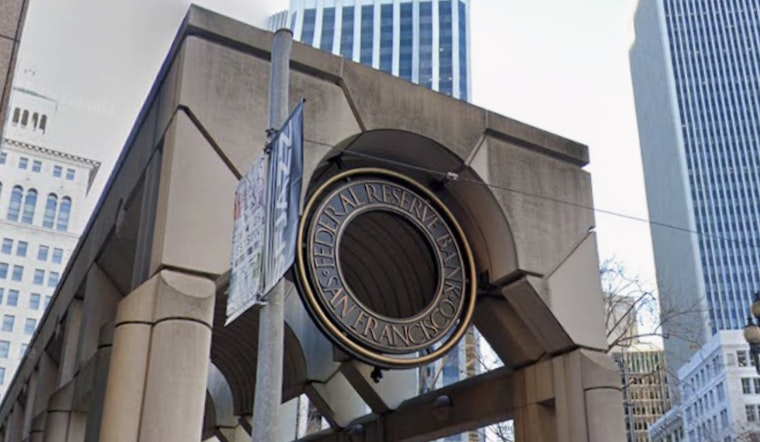
Daly oversees the Fed’s 12th District from the central bank’s headquarters in downtown San Francisco, which means her words carry extra weight for local lenders, city finance officials, and regional policymakers. The Federal Reserve Bank of San Francisco sits at 101 Market Street, and Daly’s latest comments are likely to be dissected by Bay Area finance chiefs as they lock in budgets and borrowing plans. For anyone eyeing a big construction project or a refinancing deal, her suggestion that rates may stay higher for longer is not exactly the headline they were hoping to see.
What to Watch in the Weeks Ahead
Investors are now fixated on whether the Iran conflict cools off and oil prices come back down, a scenario Daly has suggested could clear the way for rate cuts. If that does not happen, the Fed may prefer to keep policy on hold while it studies how the labor market and inflation are handling the energy shock. Markets have already dialed back expectations for near-term rate cuts, a shift Reuters reports is being driven by the oil spike and a mixed run of jobs data.




