

























































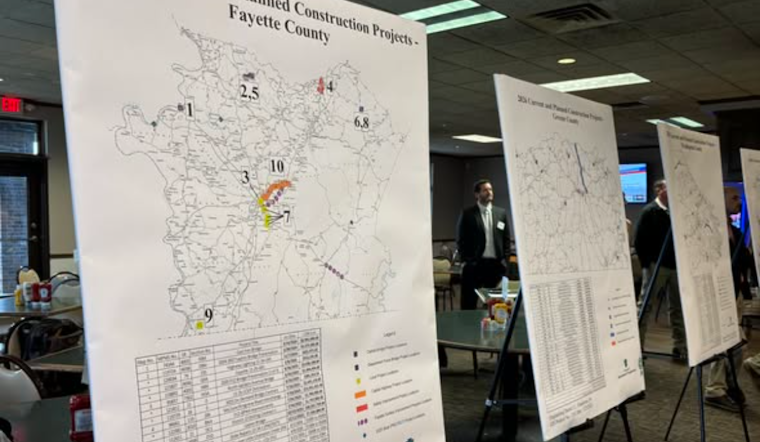
Pennsylvania transportation leaders are rolling out a hefty construction season in the southwest, with more than $200 million slated for roads and bridges across four counties. Officials say 31 new projects will kick off and 39 will carry over from previous years, covering work on 99 miles of state highways and improvements to 48 bridges in Fayette, Greene, Washington, and Westmoreland counties. The push lands as the Shapiro administration touts thousands of miles of roadway fixed statewide and a surge in bridge work.
What the $200M Will Cover
According to the PennDOT District 12 announcement, the regional package will rehabilitate, reconstruct, and resurface 99 miles of highways and upgrade 48 bridges. That bridge work breaks down into 27 preservation jobs, three rehabilitations, and 18 full replacements tied to an anticipated more-than-$200 million investment in Fayette, Greene, Washington, and Westmoreland counties.
PennDOT also says maintenance crews this construction season will handle more than 845 miles of seal coating and crack sealing and tackle a dozen slide repairs. Statewide, officials under Governor Josh Shapiro’s administration say more than 19,000 miles of roadway have been improved, while work has advanced on hundreds of state and local bridges. In other words, there is a lot of fresh asphalt in the pipeline.
Major Projects to Watch
Some of the biggest price tags are attached to long-discussed choke points and safety concerns.
"I am excited to see the continued progress of the I-70 Arnold City Interchange Project, which is a significant investment in improving mobility and safety in the region," PennDOT District 12 Executive Rachel Duda said in the release.
The agency highlights several marquee efforts starting or continuing this year, including the Layton Bridge replacement in Fayette County ($43 million), the Route 119 McClure/Kingview interchange ($53.9 million), corridor work on I‑79 between Waynesburg and Marianna ($40–$60 million), and the I‑70 Arnold City interchange reconstruction in Rostraver Township (about $89 million). For drivers who live in these corridors, it is going to be a long construction season, but the kind officials argue should pay off with safer, smoother trips.
How the Regional TIP Maps the Work
The Southwestern Pennsylvania Commission’s Transportation Improvement Program quietly functions as the playbook behind much of this activity, spelling out the same bridge and roadway jobs along with schedules and price tags. Per the Southwestern Pennsylvania Commission, many of these projects are pieces of a longer-term, multi-year plan that helps local planners decide when construction happens and how the money gets lined up.
What Drivers Should Expect
For motorists in the four-county region, the tradeoff for all this investment will be familiar: work zones, lane shifts, flaggers, and the occasional detour as contractors move in and preservation crews fan out. Officials are urging drivers to budget extra time and keep an eye on alerts.
For real-time conditions, the agency points travelers to 511PA for traffic cameras, incident reports, and detour information, and to PennDOT’s project pages for the latest on schedules and staging. Translation: Check your route before you leave if you want to avoid a surprise backup.
Local Impacts and the Layton Bridge
One of the most closely watched efforts is the Layton Bridge replacement, a big-ticket project that will reshape a historic one-lane crossing used by both vehicles and the Great Allegheny Passage trail. Once the work is complete, the way residents, businesses, and trail users move through the area is expected to change significantly, with a stronger focus on safe access for both motorized and non-motorized traffic.
Coverage of the January groundbreaking underscored how long the planning has been in motion and stressed the project’s goal of improving access for drivers and trail users alike, according to WPXI.
Why the Region Matters Now
Officials frame this southwest push as part of a broader shift in how Pennsylvania pays for infrastructure, combining federal funds with state budget moves to speed up work in places that have fallen behind on maintenance. The idea is that better coordination makes it easier to move projects from paper to pavement.
The Southwestern Pennsylvania Commission has praised the teamwork among county, state and federal partners as these projects transition from planning to construction, according to the Southwestern Pennsylvania Commission. For drivers, cyclists and small-town businesses across the four counties, the results of that coordination will be playing out in orange cones and freshly paved lanes over the coming months.



