

























































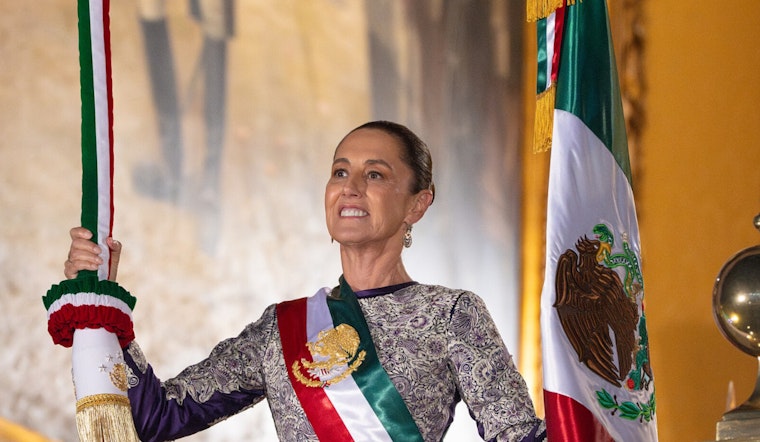
Mexico’s president, Claudia Sheinbaum, is turning up the pressure on Washington after another Mexican national died in U.S. immigration custody. She ordered Mexican consulates to check detention centers every day, vowed to use legal and diplomatic channels, and signaled that Mexico will take its complaints to regional and United Nations bodies. All of this is happening while Mexico is also defending its humanitarian aid to Cuba, creating a delicate diplomatic balancing act with the United States.
Deaths in U.S. Custody
A day after 49-year-old Alejandro Cabrera Clemente was found unresponsive and later died at a Winn Parish detention facility in Louisiana, Mexican officials condemned the series of fatalities as “unacceptable” and said his case was one of 15 Mexican deaths in U.S. custody in a little over a year, according to AP. At her morning briefing, Sheinbaum said she had requested investigations and pledged to defend Mexican nationals “at every level,” the AP reported. Mexican authorities added that consulates must intensify monitoring of detention conditions while those investigations move forward.
Consular Response and Case Details
Mexico’s foreign ministry said the Consulate in New Orleans was notified by U.S. authorities about the death at Winn Correctional Center and immediately activated its protection protocols. The ministry ordered consulates to visit detention centers daily, provide legal assistance to detainees, and contact families, according to reporting by Univision. Officials said they would coordinate with relatives while pursuing investigations and possible legal actions in response to the death.
Sheinbaum’s Stand on Cuba
At the same time, Sheinbaum has pushed back on the Trump administration’s energy blockade of Cuba, calling U.S. tariffs “unjust” and insisting that Mexico has the right to send fuel for humanitarian or commercial reasons. She said her government reluctantly paused some oil shipments after Washington announced the tariffs, but continued to send food and other aid and even made a symbolic personal donation to relief efforts, according to reporting by The Washington Post. Mexican-flagged ships carrying food and basic supplies still docked in Havana in February as the dispute played out.
Legal Steps and Monitoring
Mexican officials say they will bring the pattern of deaths in U.S. detention facilities to the Inter-American Commission on Human Rights and are considering appeals to United Nations mechanisms while supporting litigation by detainees. Those moves, along with expanded consular monitoring, were outlined by the foreign ministry in press accounts. El Comercio reports that the government has framed these measures as legal and diplomatic safeguards rather than any shift in its existing migration commitments.
Tightrope With Washington
Analysts say Sheinbaum’s tougher tone allows Mexico to press human rights concerns while trying not to jeopardize trade ties ahead of USMCA negotiations. Former Mexican ambassador Arturo Sarukhan has warned that she must avoid undermining Mexico’s leverage in any renegotiation, and some economists point out that recent energy price pressures have given Mexico unusual bargaining power in talks with Washington, as discussed in Foreign Policy and Bloomberg. The open question is whether Mexico can push its legal and diplomatic cases without provoking punitive trade measures from Washington.
In the days ahead, Sheinbaum will have to show that she can defend Mexicans in U.S. custody and maintain regional solidarity, all while safeguarding the trade and diplomatic cooperation her government says it needs. For the families of the dead, officials emphasize that the immediate priority is a full and transparent explanation of what happened inside those detention centers.





