

























































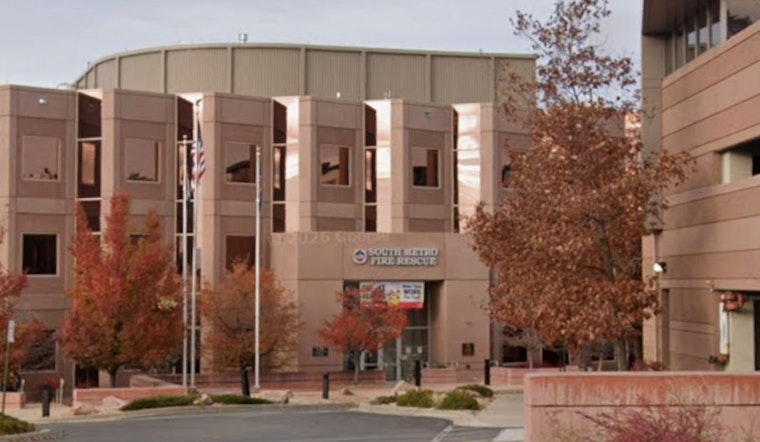
Relentless red flag days are forcing South Metro Fire Rescue to fight even tiny brush fires like they are major incidents, pulling extra engines, wildland crews and command staff to nearly every wildland call across Denver’s south metro. Leaders say the rapid-fire stretch of high-risk weather is putting real pressure on stations, overtime budgets and staffing plans that could ripple past this season.
What red flag days look like for crews
On a red flag day, SMFR treats almost any wildland ignition as if it could blow up fast. The district pre-stages a loaded response that includes extra engines, wildland units, specialized wildland team members, a safety officer, battalion chiefs and a medic unit. Mike Burke, South Metro’s Division Chief of Operations Support, walked through those deployments in an interview with Denver7. The strategy is simple: get highly trained crews on scene quickly so a small brush fire does not turn into a large, multi-agency incident.
How the district moves people and water
According to South Metro Fire Rescue, the district relies on dedicated wildland teams and cross-staffed brush engines and tenders at several stations so crews can pivot quickly into extended wildland responses. Station information shows wildland units are cross-staffed across the district and that certain tenders, including Tender 41, carry about 3,000 gallons of water to keep operations going where hydrants do not exist. That blend of brush engines, tenders, and specialized crews forms the logistical backbone that lets firefighters sustain work on remote or rural fires.
Staffing strain and the human cost
During a run of the most hazardous days this winter, Burke told Denver7 the district added eight extra firefighters to engines and activated a wildland-trained fire duty officer to manage operations. “It comes with the cost of overtime,” he said, adding that the department can handle those shifts for now but that a longer pattern would force tougher budget and staffing talks. Fire leaders say the temporary surge in staffing buys crucial capacity at the exact time when weather could make even minor blazes difficult to control.
Budget pressure and a ballot ask
All of that overtime lands on a district that is already wrestling with long-term revenue questions and rising call volume. As reported by CBS Colorado, SMFR has laid out a projected multi-year shortfall and is considering a mill levy increase to support staffing and programs. If voters turn down new revenue, leaders warn that cuts or hiring freezes could follow, which would make it even tougher to absorb repeated red flag stretches.
Why warnings are happening outside the usual season
Red Flag Warnings and the rarer “Particularly Dangerous Situation” (PDS) label are issued when forecasts call for a mix of strong winds, very low humidity and dry fuels that can trigger explosive fire growth, according to the NWS. The Front Range saw an unusually intense PDS event in December 2025, a reminder that extreme wind and dryness can show up well outside the traditional summer fire season and force emergency managers to pre-stage extra resources, as local coverage noted at the time. NWS materials and contemporaneous reporting documented the December event and its unusually severe winds.
What neighbors can do
Homeowners can cut risk sharply by building defensible space around their properties. That means keeping the 0 to 5 foot zone right up against the home free of combustible materials, thinning and spacing vegetation in the 5 to 30 foot band, and reducing fuels outward to about 100 feet where that is practical, guidance that lines up with NFPA and Firewise home ignition principles. SMFR also issues local burn restrictions tied to Red Flag Warnings and recommends clearing brush, pruning low branches and signing up for emergency alerts. For detailed checklists and step-by-step help, see the national defensible-space guidance and SMFR’s burn-safety handout.
Repeated red flag weather is already reshaping how South Metro staffs rigs and stages resources, and the near-term question for leaders is whether periodic overtime will be enough or whether voters and officials will need to turn those temporary boosts into long-term staffing and funding. For now, fire officials are urging residents to clear the immediate perimeter of their homes, sign up for alerts and treat every red flag forecast as a prompt to tighten up their precautions.





