

























































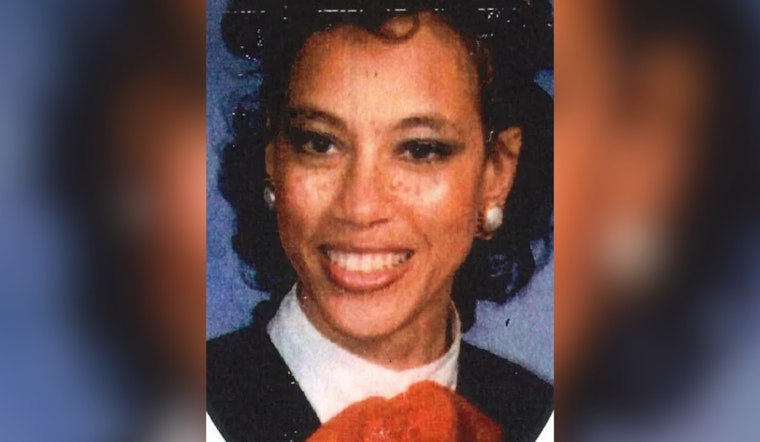
After nearly three decades of unanswered questions, Southfield police say they have made an arrest in the 1997 killing of Deborah Renee Kennedy, a GM Tech Center employee whose death has long haunted friends, family, and investigators.
Kennedy was found dead in her Southfield home after she failed to show up for a shift at the GM Tech Center in Warren, a disappearance that quickly turned a routine welfare check into a homicide investigation. The case eventually went cold and stayed that way for years.
On Monday, Southfield police announced that a suspect is now in custody in connection with Kennedy's slaying. Officials said the suspect's identity and any charges will be disclosed at a briefing on Tuesday, according to The Oakland Press. For now, investigators are keeping names and specific allegations under wraps while they finish preparing the case.
Chief to brief reporters
Southfield Police Chief Elvin Barren is expected to take reporters' questions at the briefing. Barren, who has led the department since 2019 after a long career with the Detroit Police Department, was appointed chief as detailed by the City of Southfield. His office did not release any additional documents or charging information late Monday, keeping the focus on Tuesday's formal update.
Cold-case details
Kennedy, 40 at the time of her death, was reported missing from her job at the GM Tech Center before officers discovered her body in her Southfield residence on Feb. 19, 1997. Those key details, and the news of the recent arrest, are outlined in coverage by The Oakland Press.
What happens next
Authorities have not publicly identified the person arrested or announced any formal charges. Prosecutors will review the case file before any indictment moves forward, which means today's briefing is likely to focus on how investigators revived the cold case and what comes next in court.
Police are still urging anyone with information connected to Kennedy's death to contact investigators. The department says it plans to present records and answer questions at the scheduled briefing, a long-awaited moment for a case that has lingered in Southfield's collective memory since the late 1990s.





