

























































Residents across southern Virginia and Rockingham County, North Carolina, are gearing up for another fight over the Mountain Valley Pipeline, this time over a proposed 31-mile Southgate extension that would push the gas line deeper into their communities. Neighbors say the route would slice through forested land, cut across waterways including the Dan River, and threaten private property, longtime fishing holes and tribal sites. After years of protests, eminent-domain disputes and court battles, locals and conservation groups say they are getting ready for the next round.
According to Spectrum News, residents such as Theresa Terry and Buck Purgason recall past tree-sit protests and now worry that new construction could cloud the Dan River with sediment and damage fish habitat. That reporting also notes that the Mountain Valley Pipeline mainline entered service in June 2024 and that EQT is the project’s primary owner. Spectrum adds that the Southgate extension is designed to connect with a planned T-15 pipeline in North Carolina.
What the company says
Mountain Valley Pipeline, LLC describes the MVP Southgate amendment as a roughly 31-mile spur that would run south from Pittsylvania County to delivery points outside Eden, North Carolina. The company argues the project will “diversify the state's natural gas supply and promote competition.” On its project site, MVP Southgate explains that the revised plan drops a previously proposed compressor station, trims the project footprint and targets a mid-2028 in-service date once all permits are in hand. The company also says construction would follow federal and state mitigation rules that are meant to limit harm to streams and cultural resources.
Local worries: water, trees and safety
Opponents, including landowners, tribal advocates and conservation organizations, say the company’s assurances do not match what the landscape has already been put through. Tribal member Crystal Cavalier-Keck and others told Spectrum News they fear tribal lands and water quality will be at risk if work moves ahead, while anglers who have fished the Dan River for years worry that sediment and heavy construction could damage local fisheries.
The Southern Environmental Law Center has argued in regulatory filings that the amended Southgate proposal understates how much the line is actually needed and glosses over environmental costs. SELC and partner groups have lodged protests and legal challenges that contest Southgate’s authorization and the way its impacts have been reviewed.
Permits and the political angle
Critics also point to a provision tucked into the 2023 debt-ceiling law that told federal agencies to move Mountain Valley Pipeline permits more quickly and shifted certain lawsuits to the D.C. Circuit Court of Appeals, a move opponents say short-circuited the usual review process. As reported by E&E News, that targeted congressional language is a key reason the larger MVP project advanced despite earlier permit denials and court setbacks.
In the latest round of litigation, seven conservation and community organizations have asked the D.C. Circuit to throw out the Federal Energy Regulatory Commission’s amended certificate for Southgate, according to Appalachian Voices. Their petition argues that regulators did not adequately weigh market demand or environmental risk.
State approvals and legal setbacks
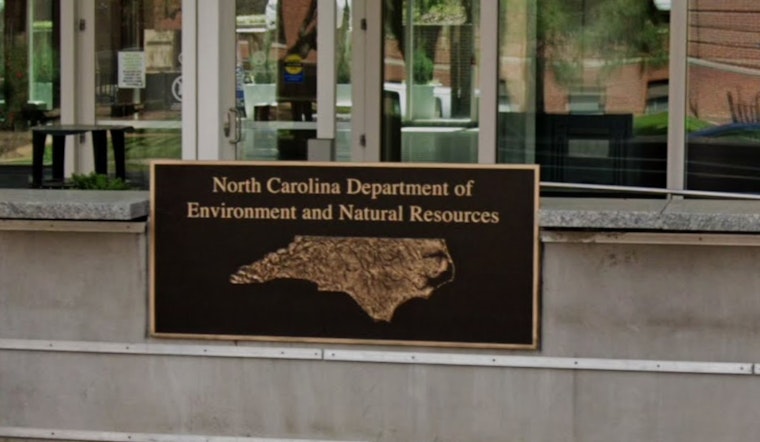
On paper, Southgate has already cleared some big hurdles. The North Carolina Department of Environmental Quality lists a Section 401 water-quality certification for the project that was issued in November 2025. The Federal Energy Regulatory Commission has reviewed the amendment, released environmental documents and posted route information for the revised project.
Those approvals sit alongside fresh petitions in federal court, which means any construction schedule is highly tentative. Judges and regulators will have to sort out the overlapping claims before shovels hit the ground in a serious way.
What happens next
MVP’s project materials estimate that Southgate construction would support roughly 1,000 jobs, and the company says work can begin once remaining authorizations are finalized. Legal challenges pending in the D.C. Circuit, along with earlier court-ordered pauses in other venues, show how quickly schedules can slip for this project.
EQT’s filings state that the MVP mainline went into service on June 14, 2024, and that the overall project price tag climbed to about 8 billion dollars after years of delays and disputes. The rising cost has become a shorthand for how drawn out and contentious the pipeline fight has been.
Legal implications
The D.C. Circuit petition asks the court to vacate FERC’s amended certificate for Southgate and to require a renewed, more intensive review of both market demand and environmental impacts. If that challenge succeeds, agencies could be forced to reopen their analyses or reissue key permits.
For now, the fate of the Southgate extension rests less with construction crews and more with judges and permitting officials. Local residents, who have already spent years in this fight, plan to keep a close eye on both.





