

























































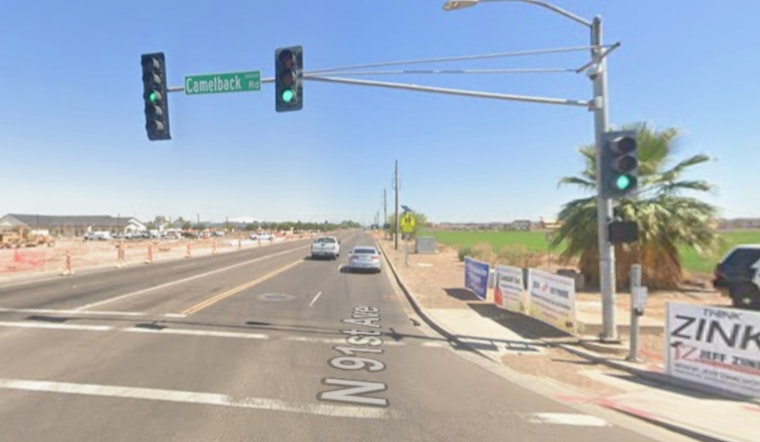
Cheyenne and Angel Zarraga say their quiet Phoenix block has turned into a personal crash zone, with cars slamming into their home twice in six months. The latest impact punched through the front wall, left windows shattered and had the couple racing to board things up while neighbors talked nervously on the sidewalk.
As reported by Arizona's Family, the couple lives near 91st Avenue and Camelback Road and said the most recent vehicle hit their house on Tuesday night. They told the station this was the second time in roughly six months that a car has plowed into their property and that drivers “often speed down 95th Avenue, not knowing it ends,” according to the interview.
City enforcement and statewide crash trends
Speeding remains a major factor in Arizona traffic wrecks. According to the Arizona Department of Transportation, speeding contributed to 417 traffic deaths in 2024. In response to concerns about dangerous driving, the City of Phoenix has brought back a Photo Safety program that uses mid-block corridor cameras and rotating school-zone devices. City officials say the program, which started a 30-day warning period in late February, is one tool meant to bring speeds down and cut crash numbers, according to a City of Phoenix press release.
Neighbors push for physical fixes
The Zarragas told Arizona's Family they want something more concrete than warnings, such as barriers, clearer signs or changes to the street layout so drivers do not overshoot the end of the road. Similar incidents have popped up in other parts of the Valley. FOX 10 Phoenix reported a May 2025 crash in which a van slammed into a home near 15th Avenue and Camelback Road, highlighting how quickly an off-course driver can turn a busy corridor into a hazard for nearby houses.
For now, the Zarragas are focused on repairs while they press city officials to move faster on targeted fixes where street design and speed combine to raise the risk. City engineers say the camera program is one piece of a broader Vision Zero strategy, and that crews are evaluating longer-term traffic-calming steps for problem spots like the Zarragas’ block.





