

























































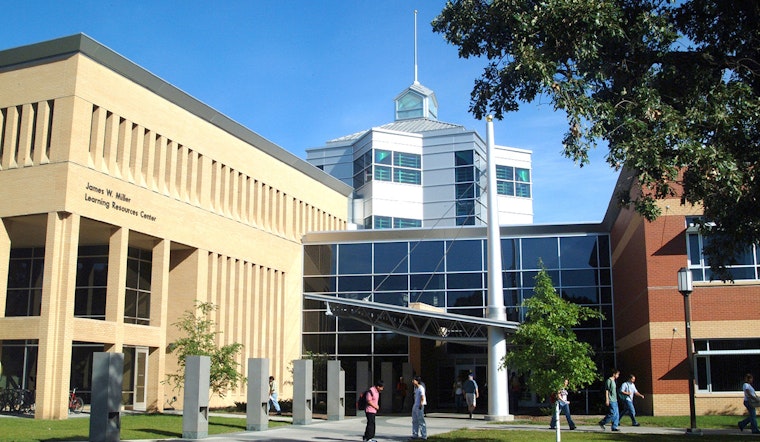
St. Cloud State University is looking to lawmakers for help swinging the wrecking ball at several aging academic and residence halls, then turning those cleared sites into green space, according to university leaders. The school estimates that removing its top four demolition candidates, the Performing Arts Center, both Benton residence halls, the Education Building, and the Engineering and Computing Center, would cost between $14 million and $15 million.
SCSU President Dr. Gregory Tomso told WJON he is "fairly optimistic" about replacing obsolete structures with open space. He called the Performing Arts Center a "big heavy building with asbestos and lots of concrete," a combination that complicates and drives up demolition costs. Tomso said the university is working with area legislators and the Minnesota State Colleges and Universities board to secure one-time demolition funds, and that SCSU has no immediate plans to add new buildings after the teardowns.
The local effort lines up with a broader system push. The 2026 capital request from Minnesota State includes a $25 million "Systemwide Demolition" line meant to help campuses right-size and repurpose obsolete sites, listing St. Cloud's Performing Arts Center and Education Building as examples. The program is framed as a way to steer limited maintenance dollars toward higher-impact academic priorities instead of pouring money into buildings that have outlived their usefulness.
University and city officials have cast demolition as a way to chip away at decades of deferred maintenance. St. Cloud Live reported that the system is seeking $25 million in demolition funding spread across 11 institutions, and cited a 2023 estimate that removing certain obsolete buildings could wipe out roughly $161 million in maintenance costs over the next decade. Local lawmakers have argued that clearing the old structures would help reconnect the campus to the surrounding community and cut long term operating costs.
What Campus Planners Say
Both Tomso and interim president Larry Dietz have talked about opening up the campus footprint and leaning into St. Cloud's riverfront setting and existing landscaping. In an interview with KNSI, Tomso said he has been in conversations with donors about creating a dedicated demolition fund, while also keeping talks going with legislators so the university can "start the process" if state money comes through.
Timeline, Hurdles And What To Watch
Even if lawmakers sign off, demolition will not be a single dramatic blast. It will be phased and technical, with asbestos abatement, concrete recycling and material salvage all adding time and cost. As outlined in Minnesota State's 2026 capital request, demolition is pitched as a sustainability tool, but each project still needs design work, campus and system approvals and a spot on the Legislature's capital and bonding calendar.
Renderings in the university's campus plan show lawns, walkways and new paths to the Mississippi River where hulking concrete blocks now stand. For students and neighbors, though, those postcard ready views are likely to arrive in slow, staged steps if funding comes together. We will be watching the capital process this spring, along with SCSU's planning updates, for a clearer demolition schedule and a better sense of which buildings fall first.



