

























































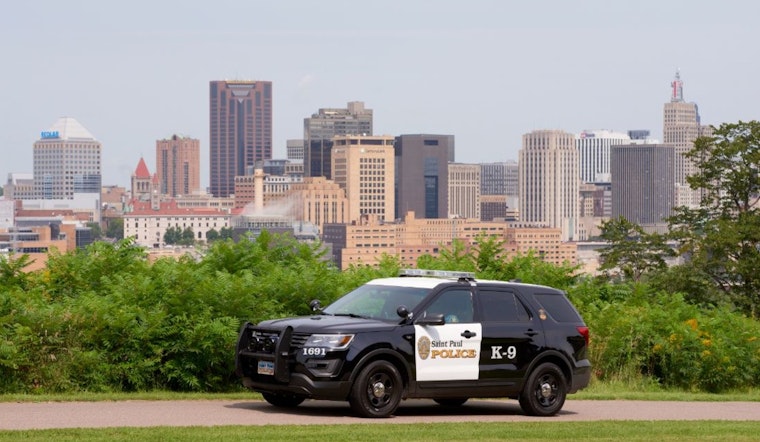
In St. Paul, a shooting that leaves a survivor now gets treated like a killing. Police have overhauled how they investigate gunfire, pouring homicide-level resources into every reported shooting instead of only the ones that turn fatal. Launched in early 2024, the change has lined up with a sustained drop in shootings and a run of cleared cases that officials say is keeping likely repeat offenders off the street and interrupting cycles of retaliation.
The St. Paul Police Department created a dedicated Non‑Fatal Shooting Unit in January 2024 and assigned eight investigators to it, Commander Peterson told KSTP. "They're investigating that case as if it's a homicide," she said. The station reported that after the unit launched, the department's nonfatal-shooting solve rate climbed sharply, from roughly 39% in 2023 to the low 70s in 2024 and 2025, with the department reporting 15 victims so far this year and a 60% solve rate to date. Investigators and city leaders argue that this kind of follow-through is what turns cold leads into arrests and helps prevent later homicides.
Investigating With Homicide-Level Rigor
Detectives now move faster and work each scene more intensely, using surveillance video, cellphone data and forensic follow-ups rather than waiting around for victim cooperation, as the Star Tribune reported. St. Paul modeled its Non‑Fatal Shooting Unit after a Denver program that had already shown better clearance rates, and department leaders say training and a dedicated prosecutor in the county attorney's office help the team focus and charge cases more quickly. The result, authorities contend, is that suspects are picked up before they can pull the trigger again.
City Records Back The Numbers
City budget documents show the shift on paper. The Saint Paul Police Department's 2026 adopted budget notes that the Non‑Fatal Shooting Unit cleared about 68% of cases in 2025, nearly double the department's clearance rate from 2023, according to the City of Saint Paul. The mayor's 2026 budget address similarly described the unit as having "tripled its clearance rate, from just over 20% to more than 70%," language included in a prepared address from the City of Saint Paul. Those same materials list recovered-gun totals and other statistics that officials point to when they argue the new strategy is paying off.
State Lawmakers Are Watching
At the Capitol, legislators are kicking the tires on whether to help other departments copy the playbook. Committee records show HF2742 would create a Minnesota "clearance grant program" aimed at boosting solve rates on nonfatal shootings, and Ramsey County Attorney John Choi and St. Paul Police Chief Axel Henry both testified in support. The bill was laid over in early April, so the size and shape of any eventual appropriation are still undecided as the Legislature keeps working, according to committee minutes.
Could It Scale To Other Cities?
Not every department is ready to follow St. Paul's lead. Minneapolis, for one, does not currently run a comparable unit, and its chief has said staffing limits make that kind of intensive follow-up hard to pull off, the Star Tribune reported. Advocates and prosecutors argue that targeted state grant dollars could change the equation by funding investigators and dedicated prosecutors, instead of forcing agencies to yank homicide detectives away from other open cases.
Ramsey County Undersheriff Mike Martin said that helping families relocate, secure housing and get services has increased cooperation in several investigations and "was a tremendous asset," according to KSTP. County and city officials have also placed victim-support staff alongside investigators in an effort to reduce fear of retaliation and encourage witnesses to talk.
For now, St. Paul's experiment offers a local blueprint: focused investigators, buy-in from prosecutors and wraparound support for victims and families. Scaling it up will depend on steady money and enough sworn bodies to staff it. Whether HF2742 or some other funding vehicle makes it through the Legislature will determine how many other Minnesota cities get a chance to investigate every shooting in the same way, according to the Minnesota House of Representatives.



