

























































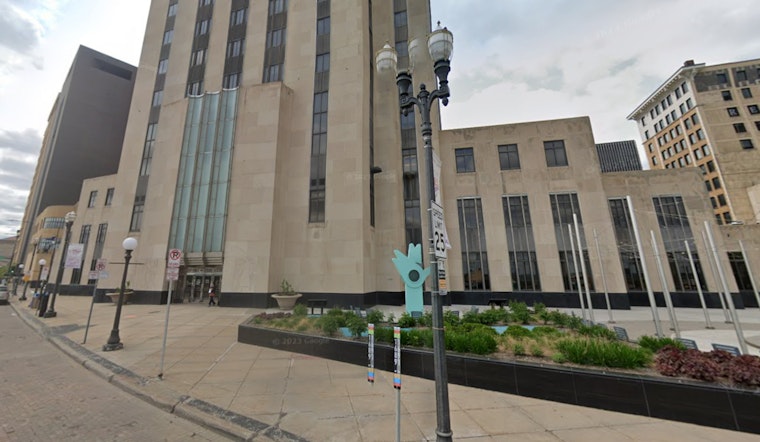
The St. Paul City Council has unanimously signed off on a new ordinance that spells out how city employees should handle encounters with federal immigration agents inside city limits. Filed as ORD 26-19 and added to the Administrative Code as Chapter 44A, the measure requires staff training and new documentation whenever federal immigration officers interact with city workers. Council members said the move is a direct response to recent enforcement activity that rattled neighborhoods and eroded public trust.
According to the City of Saint Paul, Chapter 44A reiterates that city resources are not to be used for federal immigration enforcement and sets up internal documentation rules along with options for public reporting. City officials said the law is meant to lock in separation protections across future administrations while backing up employees who suddenly find federal agents at their counter or on their worksite. The focus, they emphasized, is on training, transparency, and shoring up trust between residents and city services.
What the Ordinance Requires
As laid out in the ordinance text on the city’s legislative docket, ORD 26-19 mandates annual training for all general service employees, additional instruction for supervisors and a public safety training program tailored to police and fire personnel. It also creates an employee interaction report that records dates, locations, the immigration agency involved and, if available, the name or badge number of agents, along with whether city property or resources were accessed. Starting January 1, 2027, the City must submit an annual report to the Council on how the training and reporting requirements are being carried out.
Council Response
The measure passed on a 7-0 vote, and council members framed it as both a nuts-and-bolts policy fix and a response to resident concerns about federal tactics. Council President Rebecca Noecker said, “This ordinance is about ensuring our values are reflected in how our city operates every day,” as reported by FOX 9. Vice President Nelsie Yang and HRA chair Cheniqua Johnson also backed the package, highlighting the transparency and training pieces and calling the changes necessary after recent federal operations.
Local Context: Operation Metro Surge
City officials and advocates point to the winter’s Operation Metro Surge and a November 2025 enforcement action in the Payne-Phalen neighborhood as the immediate spark for this ordinance. Coverage from the Twin Cities described widespread disruption and raised questions about how closely local authorities were coordinating with federal agents, according to MPR News. Supporters say the new rules are intended to rebuild residents’ confidence in city services and to make it easier for people to report problems without worrying about immigration fallout.
Legal Questions
The city’s legislative record shows the City Attorney’s Office submitted a CAO memo and an attached “Memorandum of Insufficiency” that flagged potential drafting issues for the Council to weigh, according to the legislative filing. The ordinance also includes limiting language that it “shall not be construed as” restricting federal immigration authority and explicitly states it does not create a private cause of action. Those guardrails appear crafted to reduce legal risk while still tightening local training and reporting requirements.
Implementation and Next Steps
The Council adopted ORD 26-19 on April 22, 2026, and departments will start rolling out training and documentation procedures this year, according to the City of Saint Paul. City staff will be required to log interactions with federal immigration personnel and deliver the first annual training and implementation report to the Council on the timetable set in the ordinance. Advocates say they plan to monitor the roll out closely and push for public visibility into future enforcement related incidents.
For now, the ordinance puts St. Paul on a more tightly defined path for how city workers respond when immigration agents show up, a procedural shift that city leaders argue protects both residents and frontline staff. Community groups and legal observers are expected to watch what happens next, both for compliance and for any unintended side effects.




