

























































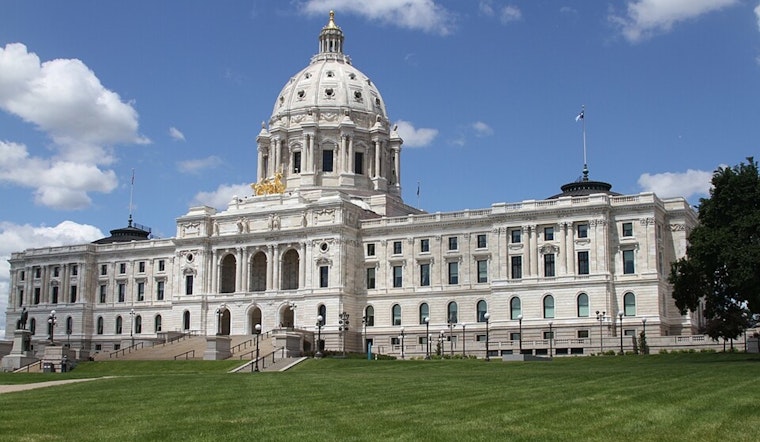
Last Tuesday's U.S. Supreme Court decision has lawmakers at the Capitol moving fast. In response, DFL senators in St. Paul have filed a pair of bills that would block insurers from paying for conversion therapy for minors and vulnerable adults and give victims new ways to sue providers. The measures are framed as targeted fixes that keep Minnesota's 2023 ban intact while addressing the free speech red flags raised by the high court. Supporters say the focus is on money and accountability, not policing private conversations, while opponents warn the language could still invite constitutional fights.
As reported by FOX 9, DFL lawmakers moved the companion Senate bills into early committee hearings with some bipartisan support after the ruling. FOX 9's coverage includes on-the-ground interviews from the State Capitol and breaks down the two-bill package that backers say is designed to shield young people and withstand an expected wave of legal challenges. Republicans at the Capitol counter that the proposals could still run headlong into the Supreme Court's analysis of professional speech.
What the bills would do
One bill, SF 4707, would bar health plans sold in Minnesota from covering conversion therapy for people under 18 or for vulnerable adults and would direct the Department of Human Rights to investigate and, where allowed, seek civil enforcement, according to the bill text posted by the Office of the Revisor of Statutes. A second bill, SF 4706, would create a specific cause of action for individuals harmed by conversion therapy, let parents or guardians sue on behalf of minors, and allow courts to issue injunctions, award damages, including a set civil penalty, and grant attorney fees, according to language on the Revisor site. Together, the measures attempt to pair an insurance coverage ban with both private lawsuits and public enforcement tools.
Supporters and opponents
Supporters argue the bills are viewpoint neutral because they zero in on payment streams and documented harms rather than the content of what a therapist says behind closed doors. Keygan Miller of The Trevor Project told FOX 9 that the aim is straightforward: practitioners should not be able to profit from hurting children, bill insurance for it, or sidestep accountability. Opponents, including some faith based counseling groups, call the bills an attempted end run around the Supreme Court ruling and warn they are likely to be tested in court.
National figures cited by advocates highlight what is at stake. The Trevor Project has estimated there are roughly 1,300 conversion therapy practitioners nationwide and has previously pegged the direct costs of the practice in the hundreds of millions of dollars. The American Medical Association, for its part, warns that conversion therapy is not grounded in accepted science and can increase risks of depression and suicide.
Legal questions remain
At the center of the rush is the Supreme Court's 8-1 decision in Chiles v. Salazar, which held that Colorado's ban on conversion therapy, at least when applied to talk therapy, raises First Amendment concerns and must be examined under strict scrutiny, according to the Associated Press. Legal observers in Minnesota say that ruling leaves parts of the state's 2023 ban vulnerable where it regulates speech, while still giving regulators room to curb non speech conduct such as aversion techniques. Local legal experts told reporters that the new legislation will almost certainly be read through the lens of Chiles and could trigger immediate lawsuits if it becomes law.
Next steps at the Capitol
The two Senate bills were introduced in March, alongside matching language in the House, and authors say they drafted them specifically to respond to the constitutional issues flagged by the Supreme Court. Committees are expected to hold additional hearings and amendment sessions in the coming weeks, and sponsors openly concede that court challenges are likely even if the measures clear both chambers. In the meantime, advocacy groups and supportive lawmakers say they will continue pushing for enforcement tools they hope will keep conversion practices out of mainstream health care.
Legal implications
On a practical level, the proposal leans on two main strategies: shutting off public and private insurance reimbursement for conversion therapy and creating a private civil remedy for people who say they were harmed. Both approaches are meant to limit how the practice is funded and to increase accountability, but the unresolved constitutional questions around regulating what therapists say will almost certainly be litigated again, and likely soon. Commentators note that Minnesota could also rely on licensing boards and professional conduct rules as alternate routes to limit harmful practices without directly targeting protected speech.
Whatever the final outcome in St. Paul, the bills set up a familiar political and legal clash. Policymakers are once again trying to balance court imposed limits on speech with the broad public health consensus, endorsed by major medical organizations, that conversion therapy is harmful.





